Travel tips for Georgia
Everything you need to know before visiting Georgia — money in lari, transport, mountain road closures, safety, scams, etiquette, and when to go.
Planning essentials
Visas, budgets, what to wear, solo female travel and the etiquette worth knowing before you land.

Accessible travel in Georgia

Georgian words that actually help

Guesthouses, hostels and hotels: what you get

Health, pharmacies and insurance in Georgia

Is Georgia safe? An honest answer

Lari, ATMs and paying by card in Georgia

LGBTQ+ travellers in Georgia: the honest picture

Packing for Georgia, season by season

Remote work and long stays in Tbilisi

Scams, overcharging and minor annoyances

Travelling Georgia solo

Visa and entry rules: 365 days, and the fine print

What a week in Georgia actually costs

Where to stay in Tbilisi, neighbourhood by neighbourhood
Getting around
Airport transfers from Tbilisi International, marshrutka minibuses and hired drivers, car rental for the regions, and the Georgian Military Highway's seasonal closures.

Batumi airport and the Turkish alternative

Driving in Georgia: rules, roads and habits

Georgian trains, including the night train to Zugdidi

Getting to Svaneti

How marshrutkas actually work

Kutaisi airport: the low-cost gateway

Land borders with Armenia, Turkey and Azerbaijan

Renting a car in Georgia

SIM cards, eSIM and mobile data

Taxis, Bolt and Yandex Go

Tbilisi airport to the city centre

Tbilisi metro, buses and the Metromoney card

Tbilisi to Batumi: plane, train or road

The Georgian Military Highway, kilometre by kilometre
When to go
Tbilisi's hot, dry summers, Svaneti's short hiking season, and the Kakheti grape harvest in autumn all shape when to go. Month-by-month guides to what to expect.

Georgia in autumn: the best season, and why

Georgia in spring

Georgia in summer, and how to escape the heat

Georgia in winter

New Year and Orthodox Christmas in Georgia

Orthodox Easter in Georgia

Public holidays and what closes

Tbilisi weather month by month

Tbilisoba and the autumn festivals

The best time to visit Georgia

The Georgian ski season

When the mountain passes open and close
Good to know about Georgia travel tips
Georgia rewards a bit of preparation before arrival, and most of what catches first-time visitors off guard falls into a handful of categories. Money starts with the currency itself: Georgia uses the lari (GEL, ₾), not the euro, and while cards are widely accepted in Tbilisi and Batumi, smaller towns and marshrutka fares often need cash. Visa rules are straightforward for most nationalities — citizens of the EU, UK, US and many other countries can enter visa-free for up to a year — but Georgia is not in the EU or the Schengen area, so it doesn't count toward a Schengen visa's 90-day limit and isn't covered by EU roaming or health-insurance arrangements.
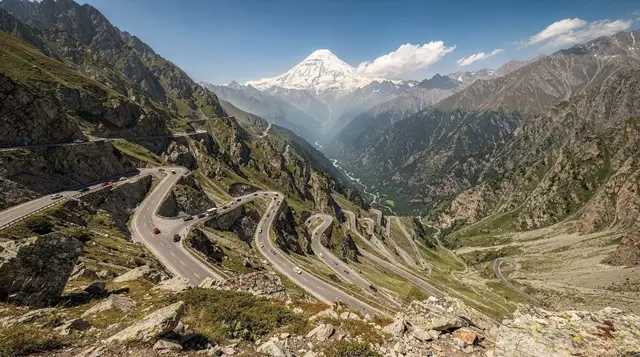
Transport starts at Tbilisi International Airport, connected to the city by bus and taxi, with a second airport at Kutaisi serving budget European routes; marshrutka minivans link almost every town cheaply, the Tbilisi metro and the Bolt taxi app cover the capital well, and trains run comfortably between Tbilisi, Kutaisi and Batumi. Driving is largely straightforward on main roads, but the Georgian Military Highway toward Kazbegi crosses the Jvari Pass at 2,379 metres, which closes for snow or avalanche risk without much notice, mostly from November to April, and the road into Svaneti can be affected too.
Heat and altitude shape the calendar: Tbilisi and Kakheti regularly pass 30°C in summer, while Svaneti and the high Caucasus stay noticeably cooler and see snow into late spring, and September and October bring the rtveli wine harvest, one of the best times to visit Kakheti specifically. Food and drink are central to Georgian hospitality — a supra feast comes with a tamada toastmaster leading rounds of toasts, and refusing a toast outright is considered impolite, though nobody expects a visitor to match a Georgian's drinking pace.
Hassle is minimal by most standards, and Georgia is generally considered one of the safer countries in the region for visitors, though the same city-centre pickpocketing caution that applies anywhere crowded still applies in central Tbilisi and Batumi. One point worth stating plainly: Abkhazia and South Ossetia are Russian-occupied territories not accessible from the rest of Georgia, and entering them from Russia is illegal under Georgian law, so they don't feature anywhere on this site's itineraries.
Frequently asked questions about Georgia travel tips
What currency does Georgia use?
The Georgian lari (GEL, ₾) — not the euro. Cards are widely accepted in Tbilisi and Batumi, but smaller towns, marshrutka fares and rural guesthouses often expect cash, so it's worth carrying some lari at all times.
Do I need a visa to visit Georgia?
Most nationalities, including EU, UK and US citizens, can enter visa-free for up to a year, but it's worth checking current rules for your specific passport before booking. Georgia is not in the Schengen area, so time spent there doesn't count toward a Schengen visa's 90-day limit.
Is Georgia part of the EU or Schengen area?
No. Georgia is an EU candidate country but not a member, and it sits outside the Schengen area entirely, so standard EU roaming agreements and Schengen visa rules don't apply there.
How do I get from Tbilisi airport into the city?
Tbilisi International Airport connects to the city centre by bus, taxi and the Bolt app, all straightforward options. A second airport at Kutaisi serves a number of budget European routes and suits travellers heading straight toward western Georgia rather than the capital.
Can I visit Abkhazia or South Ossetia while in Georgia?
No. Both are Russian-occupied territories that are not accessible from the rest of Georgia, and entering them from Russia is illegal under Georgian law. Every itinerary on this site stays within government-controlled Georgian territory.
Trip-planning essentials on GetYourGuide
Verified deep-linked GetYourGuide tours. Book through these links and we earn a small commission at no cost to you.
Photo: our own image of the location, not the operator’s product photo.