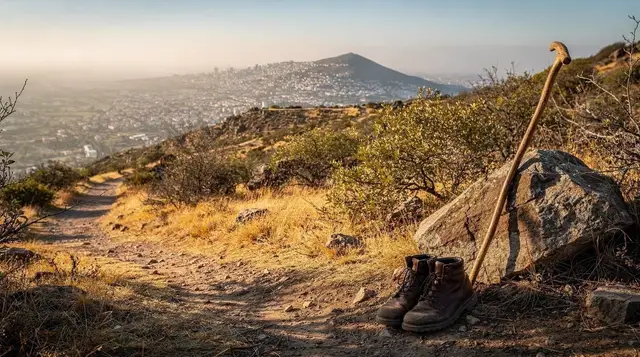
Tbilisoba and the autumn festivals
What is Tbilisoba and when does it happen?
Tbilisoba is Tbilisi's city birthday festival, held over a weekend in autumn, typically October, with concerts, folk performances, food and wine stalls, and craft markets filling the old town. It coincides roughly with the tail end of rtveli, Kakheti's grape harvest, making autumn Georgia's busiest festival stretch.
Tbilisi’s own citywide birthday party
Of everything on Georgia’s crowded festival calendar, Tbilisoba is the single most visible, accessible and genuinely local event for a visitor to catch — a citywide celebration of Tbilisi’s founding held over a weekend each autumn, typically in October. It coincides with the same stretch of the calendar covered in Georgia in autumn: the best season, and why — comfortable weather, the tail end of Kakheti’s rtveli harvest — which makes autumn, and October in particular, the single busiest and most festival-rich stretch of the Georgian year. This guide covers what Tbilisoba actually involves and rounds out the picture with the rest of the country’s festival calendar.
What Tbilisoba actually looks like on the ground
Tbilisoba transforms the old town and the length of Rustaveli Avenue into a series of stages, market stalls and gathering points for a weekend. Concerts range from traditional Georgian folk music and polyphonic singing to more contemporary performances, often running across multiple stages simultaneously so there’s rarely a dead moment wherever you happen to be standing.
Food and wine stalls represent different Georgian regions, giving visitors a condensed, single-location version of the country’s regional cuisine that would otherwise take a multi-week trip to sample properly. Craft and antique markets add a shopping dimension, with the Dry Bridge Market area typically seeing an extra surge of activity during the festival weekend specifically.
Old Tbilisi Private Walking Tour and Cable Car works well as a way to see the old town’s usual sights during the festival period, layering the extra Tbilisoba activity on top of the walking route’s regular stops around Narikala and the sulphur bath district.
A brief history of the festival
Tbilisoba dates back to the Soviet period, established in the 1970s as a celebration of the city’s founding and its multicultural character, and it has continued in independent Georgia as one of the few Soviet-era civic traditions to carry through relatively intact, evolving in content while keeping its core purpose as a citywide birthday celebration. That continuity is part of why it feels distinctly Tbilisian rather than a recently invented tourist event: generations of residents have grown up attending it, and the festival’s crowd on any given weekend is overwhelmingly local rather than visitor-driven, even as it has become a recognised item on travel calendars in recent years.
What to expect as a family or first-time visitor
Tbilisoba is a genuinely family-friendly event, with children’s activities and performances scattered among the main stages, and the general atmosphere is closer to a relaxed, all-ages street fair than a late-night music festival. Strollers and young children are common throughout the festival footprint, and the food stalls offer an easy, low-commitment way to sample Georgian regional dishes without needing to book a sit-down restaurant. First-time visitors unfamiliar with Georgian food will find Tbilisoba a genuinely useful, low-stakes introduction to dishes they might not otherwise know to order, with vendors typically happy to explain what’s on offer to curious visitors.
When exactly it happens, and why the date isn’t perfectly fixed
Tbilisoba is generally held in October, though the exact weekend can shift slightly year to year rather than falling on one fixed calendar date, so it’s worth checking the specific dates for the year of travel rather than assuming a set weekend applies every year. This timing places it firmly within the strong autumn window covered in The best time to visit Georgia, which is part of why so many October visitors end up encountering the festival somewhat by coincidence rather than by deliberately planning around it — a pleasant bonus layered on top of an already strong month to travel.
Tbilisoba and the wine harvest overlap
Because Tbilisoba typically falls toward the tail end of rtveli, Kakheti’s grape harvest covered in depth in Georgia in autumn, the festival’s food and wine stalls often carry a genuine harvest-season energy, with producers bringing wine from the very vintage still being pressed in the countryside. This overlap is one of the more distinctive things about Georgia’s autumn festival calendar specifically: a visitor who times a trip for both events gets the countryside harvest experience and the capital’s condensed celebration of the same season within a single week or two.
Telavi: Family Winery Tour Wine Tasting and Cooking Class pairs well with a Tbilisoba weekend for exactly this reason, letting a traveller see the harvest at its source in Kakheti before or after experiencing the city’s own autumn celebration.
Photographing Tbilisoba
Tbilisoba offers some of the year’s best street photography opportunities in Tbilisi, with traditional dress, folk performances and the old town’s Art Nouveau backdrop combining in a way that’s genuinely harder to catch on an ordinary day. The golden hour before sunset, when the festival’s evening stages start filling and the light softens across Rustaveli Avenue, tends to produce the most rewarding images, while the daytime hours suit closer, market-stall photography of food, crafts and the general crowd. Photographing Georgia without the clichés covers broader photography advice for the country that applies just as well to a festival weekend as to an ordinary sightseeing day.
Georgia’s other autumn wine celebrations
Beyond Tbilisoba itself, autumn’s harvest season supports a scattering of smaller, wine-specific celebrations in Kakheti, generally organised at the level of individual towns or wineries rather than as a single unified national festival.
These events vary year to year in scale and exact timing, tied closely to how the harvest itself is progressing in a given vintage, and they’re worth asking about locally when visiting Kakheti in September or October rather than expecting a fixed, published schedule the way Tbilisoba has. A Telavi or Sighnaghi-based winery visit during this window often turns up an impromptu local celebration alongside the harvest work itself, part of what makes the season feel genuinely alive rather than staged for visitors.
Spring and summer’s own festival moments
While autumn holds the densest cluster of events, Tbilisi’s cultural calendar doesn’t go quiet the rest of the year. Spring and summer bring their own run of concerts, cultural programming and smaller neighbourhood events, generally less concentrated into a single unmissable weekend than Tbilisoba but adding up to a genuinely active calendar for a longer stay in the city. Opera, ballet and theatre in Tbilisi covers the more formal end of this year-round programming, distinct from Tbilisoba’s street-festival character but part of the same broader picture of a capital with an active cultural life well beyond its one headline autumn event.
If your dates don’t line up with Tbilisoba
Missing the festival by a few days either way is not a significant loss — the old town, its markets and its food scene are worth visiting on an ordinary day regardless, and much of what makes Tbilisoba appealing (the food stalls’ regional variety, the general street-festival energy) can be approximated through a deliberate visit to Dezerter Bazaar and a well-chosen handful of restaurants covering different Georgian regions. Travellers whose dates simply don’t allow for Tbilisoba shouldn’t feel they need to reshuffle an otherwise well-planned trip purely to catch it.
Practicalities: cost, booking and getting around
Tbilisoba’s public events — the stages, the general street festival atmosphere — are free to attend, though individual food, wine and craft stalls charge for what they sell in the ordinary way of a street festival. No advance booking or ticket is required to attend, since it’s a public celebration rather than a ticketed event, but accommodation in Tbilisi does get busier than an ordinary October weekend, and it’s worth booking ahead if the festival dates are known before arrival.
Some central streets around the old town and Rustaveli Avenue close to traffic or get reorganised for the festival’s duration, which is worth factoring into how you plan to move around the city centre that weekend specifically, favouring walking over driving or taxis in the immediate festival area.
Beyond Tbilisoba: Georgia’s wider festival calendar
Tbilisoba is the largest single event, but it sits within a broader, if less concentrated, calendar of Georgian festivals through the year.
Festivals and live music through the year covers this more comprehensively, but a few specific threads are worth flagging here: wine-focused celebrations cluster around the autumn harvest season alongside Tbilisoba itself, giving late September and October a particularly dense run of events; Tbilisi’s live music and cultural programming, including its techno scene covered in Bassiani and Tbilisi’s techno scene, runs through spring and summer independently of the autumn festival cluster; and smaller regional events tied to specific towns and their own local calendars add further texture without reaching Tbilisoba’s citywide scale.
Georgian polyphony’s place in the festival calendar
Georgian polyphonic singing, recognised by UNESCO, features prominently at Tbilisoba’s stages alongside more contemporary programming, and it’s one of the more distinctive things a visitor can encounter at the festival specifically rather than needing to seek out a dedicated performance elsewhere in the city. Georgian polyphony: where to hear it properly covers the tradition in more depth for anyone whose interest is piqued by a Tbilisoba performance and wants to hear more during the rest of a trip.
How Tbilisoba compares with the New Year and Christmas season
Set against the winter festivities covered in New Year and Orthodox Christmas in Georgia, Tbilisoba is a secular, civic celebration rather than a religious one, and it’s concentrated into a single weekend rather than the roughly two-week stretch the winter holidays cover. Both, though, share the same underlying pattern of transforming the capital’s public spaces — lights and markets in winter, stages and stalls in autumn — into a genuinely festive version of the city that looks noticeably different from an ordinary sightseeing day at any other point in the year.
What to eat and drink at Tbilisoba specifically
The festival’s regional food stalls are one of its strongest draws, and it’s worth approaching them with some strategy rather than simply grazing at whatever’s nearest. Trying stalls from regions you might not otherwise reach on a single trip — Adjarian dishes if Batumi isn’t on the itinerary, Svanetian specialities if Mestia isn’t — is a genuinely efficient way to sample Georgia’s regional cuisine in one afternoon.
Every kind of khachapuri, region by region is worth a read beforehand, since Tbilisoba’s stalls often showcase several regional khachapuri variants side by side in a way an ordinary Tbilisi restaurant visit rarely does. Wine stalls, similarly, offer a chance to taste across several regions and producers in one sitting without committing to a full winery visit for each.
Crowds, timing and how to have a calmer visit
Tbilisoba draws large crowds, particularly on Saturday afternoon and evening, when the combination of locals and visitors peaks around the main stages and food stalls. Arriving earlier in the day, or focusing on Sunday if the festival runs across both weekend days, generally offers a calmer experience with shorter queues at the more popular food stalls. Families with young children or visitors who prefer to avoid dense crowds might consider a late-morning visit specifically, when the festival is fully open but before the afternoon peak builds, then returning in the early evening for the stage performances once the initial crush has thinned slightly.
A festival that rewards a longer Tbilisi stay
Because Tbilisoba adds a genuine extra layer to an already-strong October visit, it’s one of the clearer arguments for building a slightly longer stay in the capital than a minimal one- or two-night stop might otherwise call for. A traveller who can shift a Kakheti or Kazbegi day trip to either side of the festival weekend, keeping the Saturday and Sunday themselves free for the festival’s full programme, gets noticeably more out of an October Tbilisi visit than one who treats the festival as an afterthought squeezed between other commitments.
No Georgian language is needed to enjoy any of it — food and craft stalls are entirely browsable without language, and the performances are enjoyable regardless of understanding the lyrics, much like attending any music festival abroad.
Building a trip around this
For most travellers, the sensible approach is to check Tbilisoba’s specific dates against an already-planned October trip rather than restructuring travel dates purely around the festival itself, since the rest of October’s advantages — weather, the tail of rtveli, generally lower crowds than the height of summer — hold regardless of whether the festival weekend lines up exactly. One week in Georgia works well as a base itinerary that a Tbilisoba weekend can simply be layered onto if the dates happen to align.
Tbilisi: Chronicle of Georgia Guided Tour and From Tbilisi: Tbilisi City Tour both work as complementary activities during a festival-week visit, covering sights beyond the festival’s own footprint for travellers spending more than the single festival weekend in the capital.
Frequently asked questions about Tbilisoba and Georgia’s autumn festivals
How long has Tbilisoba been running?
It dates back to the 1970s, established as a celebration of the city’s founding, and has continued through independence as one of the few Soviet-era civic traditions to carry through largely intact.
What actually happens at Tbilisoba?
Concerts and folk performances across several stages in the old town, food and wine stalls representing different Georgian regions, craft and antique markets, and a generally festive atmosphere across Rustaveli Avenue, Freedom Square and the surrounding streets, typically over a weekend.
Is Tbilisoba free to attend?
Yes, the festival’s public events, stages and markets are free to walk through and enjoy, though individual food, wine and craft stalls charge for what they sell, as at any street festival.
Do I need to book anything for Tbilisoba?
No advance booking is required to attend, since it’s a public street festival rather than a ticketed event, though accommodation in Tbilisi can be busier than usual on the festival weekend and is worth booking ahead.
What other festivals happen in Georgia?
A range of smaller events run through the year, including wine-focused celebrations around the harvest, music festivals in Tbilisi through spring and summer, and regional cultural events tied to specific towns. None matches Tbilisoba’s scale as a single citywide celebration.
Is Tbilisoba worth planning a trip around specifically?
It’s a reasonable bonus if a trip already falls in October, adding a lively weekend to what is already one of the best months to visit Georgia, but it’s not distinctive enough on its own to justify restructuring travel dates around it if the rest of a trip doesn’t otherwise fit that timing.
Is Tbilisoba suitable for families with children?
Yes, it’s a genuinely family-friendly, all-ages street festival with children’s activities scattered among the main stages, closer in character to a relaxed fair than a late-night event.
Does Tbilisoba affect traffic or transport in the city?
Some central streets around the old town and Rustaveli Avenue are closed to traffic or reorganised for the festival’s duration, which is worth factoring into how you get around the city centre on the festival weekend specifically.
Seasonal experiences on GetYourGuide
Verified deep-linked GetYourGuide tours. Book through these links and we earn a small commission at no cost to you.
Photo: our own image of the location, not the operator’s product photo.