Georgia in autumn: the best season, and why
Why is autumn considered the best season to visit Georgia?
September and October combine cooled-down weather, mountain passes that are still open, and rtveli, the Kakheti grape harvest, which runs from late September into October. No other season lines up comfort, access and a genuine local event in quite the same way.
Why this is the season most guides quietly agree on
Ask travel writers, tour operators and repeat visitors when to visit Georgia, and autumn — September specifically, with October a close second — comes up more often than any other answer, for reasons that hold up under scrutiny rather than just travel-writing convention. The city has cooled from its July–August peak without yet turning cold or grey.
The mountain roads that spring and winter close off are, for most of the season, still open. And Kakheti, the country’s wine heartland, is in the middle of rtveli, the grape harvest, an event that gives a wine-country trip a specific reason to exist beyond a generic tasting. No other season lines up all three factors at once, which is the honest reason autumn tends to top these lists rather than any single spectacular feature.
This guide sets out what autumn actually looks like, and where its limits are, building on the overview in The best time to visit Georgia.
September: the strongest single month
September is, for most itineraries, the best month on the Georgian calendar. Tbilisi’s heat has broken — Tbilisi weather month by month has the specific detail — without the city having turned properly cold, which makes it comfortable for a full day of walking the old town, Sololaki and the length of Rustaveli Avenue. The Georgian Military Highway and the roads into Kazbegi remain open, and September is still, in most years, early enough that Svaneti’s lower routes and Mestia itself remain accessible for anyone who missed the height of summer’s trekking window.
The headline event, though, is rtveli. Kakheti’s wineries begin picking and pressing from late September, and many open their yards to visitors during this window — a genuinely different experience from a standard tasting, with the smell of crushed grapes and the qvevri being filled part of the visit rather than just the finished wine. Telavi: Family Winery Tour Wine Tasting and Cooking Class combines a family winery visit with a cooking class, a good way to see the harvest season’s rhythm alongside the food that goes with it.
October: cooler, quieter, still mostly open
October trades a few degrees of warmth for noticeably fewer visitors and, in Kakheti, the tail end of rtveli alongside the first of the new wine actually being tasted from the qvevri. It’s arguably the more comfortable month for walking-heavy days in Tbilisi, since the heat is fully gone without temperatures having dropped into genuinely cold territory yet.
The mountain roads referenced in Mountain roads and when they open and close generally stay open through most of October, though the margin for an early snowfall — particularly at the Abano Pass into Tusheti and the Goderdzi Pass toward Adjara — grows as the month progresses, and neither should be assumed open in the final weeks without checking current conditions.
Tbilisi’s own autumn calendar peaks in October with Tbilisoba, the city’s birthday festival — see Tbilisoba and the autumn festivals for what it involves and whether it’s worth timing a visit around.
Rtveli in more depth
Rtveli deserves more than a passing mention, since it’s genuinely the single best reason to choose autumn over any other season for a Kakheti-focused trip. The harvest moves through the region over several weeks rather than on a single fixed date, following the ripening of different grape varieties — Rkatsiteli and Saperavi among the most widely grown — so the exact peak shifts slightly year to year.
Wineries that welcome visitors during rtveli typically offer some combination of grape-picking in the vineyard, treading or pressing, and watching the must go into qvevri, the traditional clay vessels buried underground that Georgia has used for winemaking for roughly 8,000 years, a method recognised by UNESCO. Our separate guide to qvevri wine covers the method itself in more depth, if the harvest sparks an interest in how the wine actually gets made.
Kaheti Horse Riding with Wine Tasting Tour pairs a more active day out — horse riding through the Alazani valley’s vineyard landscape — with a tasting, a reasonable option for travellers who want the harvest-season scenery without a full day centred on a single winery visit.
Autumn in the mountains: a narrowing window
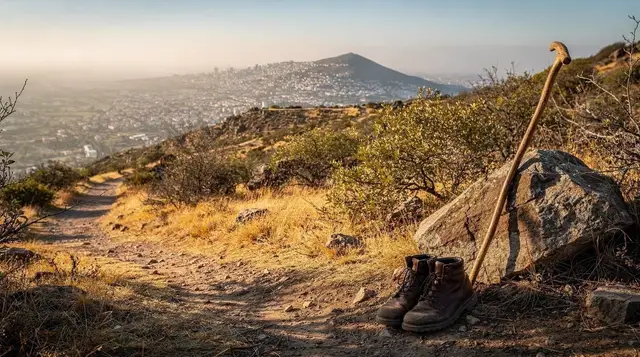
Autumn’s relationship with the mountains is really a story of a closing door rather than a fully open one. Early autumn, particularly September, still offers reasonable access to Kazbegi, lower Svaneti routes and day hikes near Tbilisi, covered in Day hikes you can do from Tbilisi. By late October and into November, that access narrows: high trails accumulate their first snow, days shorten noticeably, and the seasonal guesthouses along routes like Mestia–Ushguli begin closing for the year. Anyone planning a serious trek rather than a day trip should treat September as the outer edge of the reliable window and build in flexibility if the trip falls later in autumn.
Colour and light: autumn’s other reason to travel
Beyond the harvest, autumn brings a genuine change in the landscape that’s easy to underrate until you see it. The forests around Borjomi-Kharagauli, the hills above Telavi, and the poplar-lined roads through Kakheti’s villages all turn through shades of gold and rust from late September into October, a contrast with the uniform green of a Georgian summer that photographers and casual visitors alike notice immediately. Light in autumn is also softer and lower in the sky for more of the day than summer’s harsh midday sun, which makes it a genuinely better season for photographing Tbilisi’s balconies, church facades and mountain views than the flatter light of July and August.
Autumn day trips from Tbilisi beyond Kakheti
While Kakheti gets most of autumn’s attention because of the harvest, the season suits day trips elsewhere from the capital just as well. Mtskheta’s churches, Gori and Uplistsikhe, and Ananuri fortress on the way toward Kazbegi are all comfortable full-day outings in September and October temperatures in a way they simply aren’t in high summer, and without spring’s occasional rain or lingering chill.
This makes autumn a strong season not just for a single wine-focused trip but for covering more ground generally — a traveller with a week to spend can realistically fit in Tbilisi, one or two day trips toward Mtskheta or Kazbegi, and a Kakheti visit, all in comfortable weather, which is a harder combination to pull off cleanly in either summer’s heat or winter’s closed roads.
Food and produce in autumn
Autumn’s harvest isn’t limited to grapes. Markets across Georgia, and Tbilisi’s Dezerter Bazaar in particular, fill with the season’s fruit and vegetables — pomegranates, quince, walnuts fresh rather than dried, and the first churchkhela of the year made with the new grape must (badagi) rather than older stock. This is also, not coincidentally, a good season for Georgian cuisine generally, since restaurants and home kitchens alike lean into the produce that’s actually in season, and a supra hosted in autumn tends to feature more fresh fruit and nuts on the table than one in deep winter.
Autumn on the Black Sea coast
The swimming season on the Batumi coast, covered in detail in When the Black Sea is warm enough to swim, is winding down through September and generally over by early autumn’s end, though Batumi itself — its boulevard, botanical garden and old quarter — remains a reasonable city visit into October with far fewer crowds than the July peak. A coastal leg in autumn works better framed as a city and food visit than a beach holiday.
Comparing autumn to summer directly
Set against Georgia in summer, and how to escape the heat, autumn’s advantage is straightforward: the same mountain and wine-country access without needing to actively plan around Tbilisi’s stifling midday heat. What autumn loses compared with peak summer is the narrow high-Svaneti trekking window and the full Black Sea swimming season, both of which are genuinely better in July and August. For a first trip to Georgia that isn’t built specifically around serious high-altitude trekking or a beach holiday, autumn’s trade-offs favour it clearly.
What a week built around autumn actually feels like, day to day
It’s worth walking through what this looks like in practice rather than leaving it abstract. A first day or two in Tbilisi in late September means comfortable walking temperatures for the old town, Sololaki’s Art Nouveau doorways and the climb to Narikala, without the retreat-from-the-heat scheduling that a summer visit demands. A day trip toward Mtskheta and Ananuri fits easily into a single day without the trip feeling rushed by heat or cold.
Moving on to Kakheti for two or three days during rtveli means mornings that might start cool enough for a jacket and afternoons warm enough for an outdoor tasting in a vineyard, with the harvest itself — pickers moving through the rows, the smell of pressed grapes — providing a sense of occasion that a tasting alone doesn’t deliver in other seasons. If the mountains are still part of the plan, a day trip to Kazbegi rounds out the week with cooler, clearer air at altitude, generally with the road still fully open this early in autumn.
Wildlife and nature beyond the vineyards
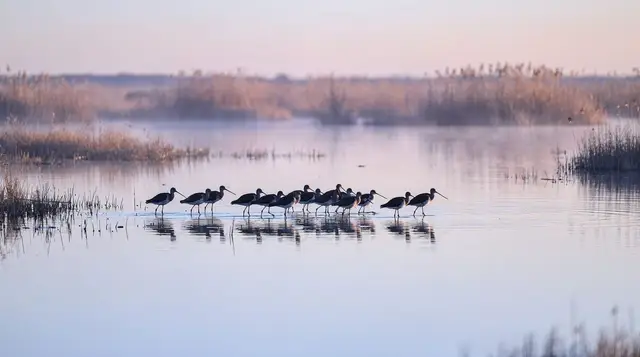
Autumn is also a season of movement for Georgia’s wildlife, with migratory birds passing through wetland areas like Kolkheti National Park near Poti on their way south, a detail that appeals to birdwatchers visiting outside the main summer season. The forests of Borjomi-Kharagauli and the foothills around Lagodekhi are quieter of summer’s day-trippers by October, which suits anyone who prefers a walk in the woods without much company. None of this is the headline reason to choose autumn — the harvest and the weather do that work — but it’s a genuine secondary benefit for travellers whose interests run toward nature rather than wine and cities alone.
How autumn compares with spring, directly
Autumn and spring are Georgia’s two shoulder seasons, and they share more than they differ: both offer comfortable lowland temperatures without summer’s extremes, and both fall outside the deep-winter closure of the high mountain passes. Where autumn pulls ahead is the harvest itself and generally wider mountain access, since spring’s passes are often still shut by snowmelt timing that autumn doesn’t share. Where spring has an edge is quieter, cheaper booking, since autumn’s harvest weeks concentrate demand in Kakheti in a way spring simply doesn’t. Georgia in spring covers the reverse comparison in more depth for anyone weighing the two directly against each other.
What autumn doesn’t offer
It’s worth being honest about autumn’s limits alongside its strengths. Skiing is entirely off the table — Gudauri’s season doesn’t start until December, covered in The Georgian ski season. Deep-winter events like Orthodox Christmas and New Year, and the specific atmosphere around them, belong to the following season; see New Year and Orthodox Christmas in Georgia. And late autumn’s shortening days and cooling temperatures mean the season doesn’t stay at its September peak for its full three-month span — planning specifically for September or early October, rather than “autumn” broadly, is the more precise piece of advice this page can offer.
What to pack for a Georgian autumn
Layering matters through autumn much as it does in spring, since a warm early-afternoon in Kakheti can give way to a genuinely cool evening once the sun drops, and a September morning in Tbilisi can start cooler than the day’s eventual high suggests. A light rain layer is worth carrying, since autumn brings more rainfall than the dry peak of summer, particularly as the season progresses into October. Anyone adding a Kazbegi day trip or any time at altitude should still pack for cooler mountain conditions than the capital’s forecast implies, since the gap between Tbilisi’s climate and the high Caucasus doesn’t disappear just because the season has turned pleasant lower down.
Booking and pricing in autumn
Autumn, and the harvest weeks in Kakheti specifically, is one of the busier and pricier stretches of the Georgian calendar. Well-known wineries and guesthouses in Telavi, Sighnaghi and the Alazani valley can book up in the weeks around peak rtveli, and it’s worth reserving ahead if a specific winery experience is the goal rather than assuming availability on arrival. Tbilisi’s own accommodation market also firms up through September and October relative to the spring and winter shoulders, though rarely to the point of genuine scarcity outside a handful of festival dates tied to Tbilisoba.
Building an autumn trip
For a trip built specifically around this season’s strengths, the shape is Tbilisi as a base, Kakheti for the harvest, and the mountains for as much access as the specific month still allows. A wine-lover’s week: Kakheti, Kartli and Racha leans fully into the harvest angle; One week in Georgia balances it against the capital and a Kazbegi day trip for a more general-purpose autumn week.
From Tbilisi: Tbilisi City Tour works well as the anchor for the Tbilisi portion of an autumn trip, and Kutaisi: Mestia Ushguli 4X4 Tour with Local Driver Guide is a sensible way to reach Svaneti’s higher villages in early autumn by 4x4 rather than relying on trekking conditions that are already past their reliable window by September’s end.
Frequently asked questions about Georgia in autumn
What is rtveli and can visitors take part?
Rtveli is the Georgian grape harvest, concentrated in Kakheti from late September into October. Many wineries welcome visitors to watch or join the picking and pressing during this window, alongside their regular tastings.
Is September or October the better month in Georgia?
Both work well. September tends to have warmer days and is closer to the peak of rtveli in Kakheti; October is cooler, has fewer visitors, and still generally has open mountain roads, though the margin for an early snowfall grows as the month goes on.
Are the mountain passes still open in autumn?
Generally yes through most of autumn, though this isn’t guaranteed into November. The Abano Pass and Goderdzi Pass typically close for the season sometime between October and December depending on the year’s first serious snowfall; see Mountain roads and when they open and close for how to check.
Is autumn a good time to visit Svaneti?
September is usually still workable for Svaneti’s lower and mid-altitude routes, though the high trekking season is really a summer story and conditions deteriorate as autumn progresses. Late October onward is generally too late for independent trekking there.
What is Tbilisoba and when does it happen?
Tbilisoba is Tbilisi’s city birthday festival, typically held in autumn with concerts, food stalls and events across the old town. See Tbilisoba and the autumn festivals for what it actually involves.
Does it rain a lot in Georgia in autumn?
More than in high summer, though not constantly. Showers become more frequent as autumn progresses, particularly toward November, and a light rain layer is worth packing alongside the warmer clothing needed for cooler mornings and evenings.
Is autumn more expensive than other seasons in Georgia?
It’s one of the busier and pricier windows, particularly in Kakheti during the harvest weeks, when well-known wineries and guesthouses can book up ahead of arrival. It’s still generally more affordable than comparable autumn travel in Western Europe.
Seasonal experiences on GetYourGuide
Verified deep-linked GetYourGuide tours. Book through these links and we earn a small commission at no cost to you.
Photo: our own image of the location, not the operator’s product photo.