Things to do in Georgia
From Abanotubani's sulphur baths to Kazbek's peaks, Georgia rewards travellers who mix Tbilisi's Old Town with at least one day in the mountains or the vineyards.
Signature experiences
The six categories that define a first trip to Georgia — and what makes Tbilisi genuinely different from its neighbours in the Caucasus.

Old Town walks
Tbilisi's Old Town on foot — the sulphur bathhouses of Abanotubani, Narikala fortress and the cable car up to it, the balconied streets of Sololaki and Betlemi, and which restored facades are genuinely historic.
12 guides
Monasteries and fortresses
Svetitskhoveli Cathedral and Jvari Monastery at Mtskheta, Gelati near Kutaisi, Ananuri on the Military Highway, and the cave monastery at Vardzia — four UNESCO sites and which ones earn a detour.
16 guides
Wine tasting
Kakheti's 8,000-year-old qvevri winemaking tradition, cellar visits around Sighnaghi and Telavi, and Tbilisi's own wine bars — what a proper tasting costs in lari against a coach-tour add-on.
14 guides
Mountains and hiking
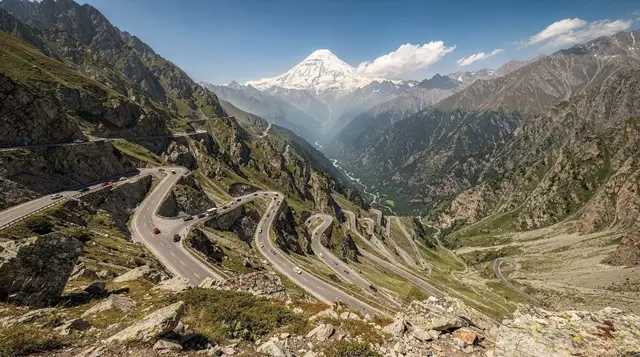
The Gergeti Trinity Church walk below Mount Kazbek, Svaneti's medieval watchtowers and Ushguli, and the Juta and Chaukhi valleys — which trails need a guide and which do not.
14 guides
Baths and spa
Abanotubani's sulphur bathhouses, private rooms versus the public hall, and Tskaltubo's Soviet-era spa town and radon springs — what a scrub actually involves.
8 guides
Caves and canyons
Vardzia's cliff-cut cave city, Prometheus Cave near Tskaltubo, and the waterfalls and glass bridge of Dashbashi Canyon.
10 guidesMore ways to experience Georgia
Specialist interests and practical planning — day trips beyond Tbilisi, seasonal timing, and the comparisons every first-time visitor searches for.

Food and cooking
Regional khachapuri, khinkali etiquette, the supra feast and its tamada toastmaster, cooking classes in Tbilisi, and where locals eat rather than the tourist-menu restaurants.
14 guides
Soviet history
Chiatura's rusting cable cars, Tskaltubo's abandoned sanatoriums, and Gori's Stalin museum — presented factually, without the nostalgia.
10 guides
Adventure and outdoors
Paragliding over Gudauri and Kazbegi, rafting on the Aragvi, horse trekking in Tusheti, and skiing at Gudauri and Bakuriani in winter.
12 guides
Beaches and the coast
Batumi's pebble boulevard, Kobuleti and Ureki's magnetic black sand, and what an Adjara beach holiday is realistically like next to the Black Sea.
10 guides
Nightlife and shows
Tbilisi's Fabrika courtyard and techno clubs, wine bars around Sololaki, and where the tourist strip ends and a real local night out begins.
8 guides
Shopping and crafts
Dry Bridge flea market's Soviet memorabilia, Tbilisi's ceramics and felt workshops, and the Dezerter Bazaar for spices and churchkhela.
8 guides
Day trips
Realistic day trips from Tbilisi to Mtskheta, Gori, Sighnaghi and Kazbegi, and which excursions are better booked as an overnight instead.
14 guides
Family travel
Cable cars and funiculars kids actually enjoy, activities that hold a child's attention beyond a monastery, and what changes when you are travelling with toddlers instead of teenagers.
8 guides
Getting around
Marshrutka minibuses versus a hired driver, Tbilisi's metro and cable car, car rental for Kakheti or Svaneti, and arriving through Tbilisi International or the land borders.
14 guides
Trip planning
A realistic weekly budget in lari, honest safety and scam advice, visas, packing, tipping, and a few words of Georgian that actually help.
14 guides
When to go
Tbilisi's hot, dry summers, Svaneti's short hiking season, the Kakheti grape harvest in autumn, and why May–June and September–October are the better months.
12 guides
Compare your options
Tbilisi or Kutaisi as a base, Kazbegi or Svaneti for mountains, a guided Kakheti wine tour or a self-drive, and how Georgia compares with Armenia or Azerbaijan.
10 guidesBrowse by destination
Tours and activities organised by where you're headed — the main cities and the regions around them.
Good to know about things to do in Tbilisi and Georgia
Georgia's things-to-do hub is organised around eighteen categories rather than one ranked list, because what's worth doing here ranges from a cathedral in a capital city to a three-day trek at 2,900 metres. Old town walks covers Tbilisi's Abanotubani bathhouse quarter, Narikala Fortress above it, and Sighnaghi's walled streets out in Kakheti. Monasteries and fortresses is its own category because Svetitskhoveli and Jvari at Mtskheta, Gelati near Kutaisi, Ananuri on its reservoir and the cave monastery at David Gareja draw a specific kind of visitor willing to plan a day around frescoes and cloisters, most of them UNESCO-listed and still active churches.
Wine tasting means Kakheti's qvevri winemaking, an 8,000-year-old method recognised by UNESCO, and the family marani cellars around Telavi, Sighnaghi and Kvareli. Food and cooking covers khinkali dumplings, regional khachapuri from Adjaruli to Imeruli, the supra feast and its tamada toastmaster, and cooking classes that go beyond a recipe card. Baths and spa groups Tbilisi's sulphur bathhouses with Tskaltubo's Soviet-era radon springs and Borjomi's bottled mineral water at its source. Soviet history deliberately separates fact from nostalgia — Tskaltubo's abandoned sanatoriums, Chiatura's rusting cable cars, and the Stalin museum in his hometown of Gori.
Mountains and hiking spans the Gergeti Trinity Church trek beneath Mount Kazbek, Svaneti's Mestia-to-Ushguli route past medieval towers, and Tusheti's trails, open only a few months a year. Caves and canyons covers Dashbashi Canyon's waterfall, Prometheus Cave and Sataplia's dinosaur footprints near Kutaisi, and the cliffside cave city at Vardzia. Adventure and outdoors groups paragliding and skiing at Gudauri, horse-trekking in Tusheti, and 4x4 routes toward Juta and Ushguli. Beaches and coast covers Batumi's pebble boulevard and the darker sand at Kobuleti and Ureki.
Nightlife and shows means Bassiani's techno scene under Tbilisi's Dinamo Stadium, wine bars around Fabrika, and Batumi's summer seafront. Shopping and crafts covers Tbilisi's Dry Bridge flea market, cloisonné enamel, felted Svan wool and churchkhela. Day trips extends the categories geographically from Tbilisi to Mtskheta, Kakheti and the Military Highway, and family groups what genuinely works with kids rather than a generic list. Transport and planning exist because Georgia rewards preparation — marshrutka routes, driving the Military Highway, visa rules and lari budgeting, since Georgia uses neither the euro nor Schengen rules.
Seasonal content matters because the country spans climates: Tbilisi and Kakheti see 30°C-plus summer days while Svaneti and Kazbegi stay cool, and the rtveli wine harvest in September and October is its own reason to time a trip. Comparison answers the questions visitors actually ask before booking anything: Tbilisi or Kutaisi, Kazbegi or Svaneti, a guided tour or self-driving. Together these categories work as a filter rather than a checklist — most visitors lean hard on four or five and barely touch the rest, and that's by design.
Frequently asked questions about things to do in Tbilisi and Georgia
What are the main categories of things to do in Georgia?
This hub groups activities into eighteen categories, from old town walks and monasteries through wine tasting, food, baths, Soviet history, mountains, canyons, adventure, beaches, nightlife, shopping, day trips, family, transport, planning, seasonal timing and comparisons. Most visitors focus on four or five rather than working through the full list.
Can I hike to Mount Kazbek's summit?
Only with mountaineering experience and a permit-holding guide — Kazbek's 5,054-metre summit is a technical climb, not a walking trail. The Gergeti Trinity Church trek, at roughly 2,170 metres on the mountain's lower slopes, is the walk almost every visitor actually does, and it's open to independent hikers in good conditions.
What's the difference between the wine tasting category and the food and cooking category?
Wine tasting covers Kakheti's qvevri wineries and marani cellar visits specifically. Food and cooking covers everything else on the plate — khinkali, khachapuri, the supra feast and hands-on cooking classes — though the two overlap heavily at a full supra table.
Is Georgian food very spicy?
Generally no — Georgian cooking leans on walnuts, pomegranate, coriander and tarragon rather than chilli heat, though a few regional dishes and condiments, like adjika, bring real spice if you seek them out.
What's the point of the comparison category on this hub?
It answers head-to-head questions travellers ask while planning — Tbilisi versus Kutaisi as a base, Kazbegi versus Svaneti for mountain scenery, a guided tour versus self-driving — where the right choice depends on priorities like driving comfort or how much time is available, not a single universal answer.
Best day trips from Tbilisi on GetYourGuide
Verified deep-linked GetYourGuide tours. Book through these links and we earn a small commission at no cost to you.
Photo: our own image of the location, not the operator’s product photo.