When the Georgian hiking season actually opens
When does the hiking season start in Georgia?
It depends entirely on altitude and region. Trails near Tbilisi and Borjomi are walkable from April. High routes in Kazbegi, Svaneti and Tusheti realistically open in June, once snow clears the passes, and the season for all of them closes by mid-October at the latest.
Georgia does not have one hiking season, it has several
This is one of the more frequently mistimed aspects of planning a Georgia trip, and getting it wrong tends to mean either an underwhelming mountain visit or, in a worst case, an attempt at a route that simply is not open.
Ask when to hike in Georgia and the honest answer depends entirely on where — a satisfying but genuinely unhelpful answer on its own, which is why this guide works through each region separately rather than offering a single verdict. The country’s hiking regions span a huge altitude range in a small area — forest trails near Tbilisi at under 1,000m, mountain passes above 2,800m in Tusheti and Svaneti, glaciated terrain over 5,000m on Kazbek — and each of those bands opens and closes on its own schedule.
Planning a trip around a single “Georgia hiking season” leads either to arriving too early for the mountains you actually wanted, or wasting a perfectly good window on lower trails that were open weeks earlier. This guide breaks the year down by region and altitude rather than giving one blanket answer.
Why altitude, not the calendar, decides the season
It is tempting to plan a Georgia hiking trip the way you would plan one to the Alps — pick a month, assume the mountains are open — but Georgia’s hiking regions sit at such different elevations, and its passes are so dependent on individual-year snowpack, that a single calendar date means something different in every region.
A trail at 800m near Borjomi and a pass at 2,850m into Tusheti can be separated by only a few hundred kilometres but by two full months of opening date, and treating them as interchangeable is the single most common planning mistake for first-time visitors building a multi-region itinerary. The rule of thumb worth carrying through this whole guide: the higher the route, the later it opens and the earlier it closes, and the gap between “technically open” and “comfortably hikeable” tends to be wider than travellers expect, particularly in a heavy snow year.
Lower-altitude trails: open longest
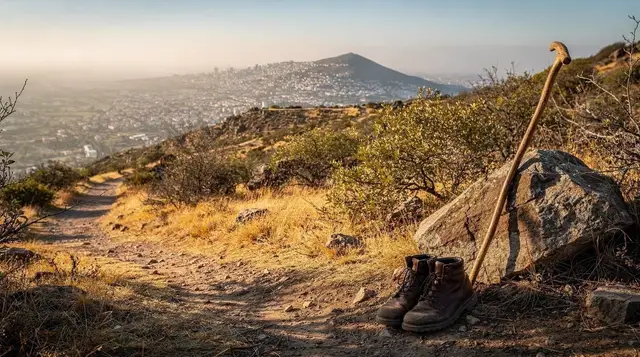
Trails around Tbilisi, Borjomi-Kharagauli National Park and the wine country of Kakheti sit mostly below 1,500m and have by far the longest walkable window — realistically April through November, with only the harshest winter weeks closing things down completely. These are also the routes that stay most forgiving in a shoulder season: Georgia in autumn: the best season, and why covers travel that works well for this tier of hiking even when the high mountains are already closing.
How this differs from Georgia’s general tourist season
Georgia’s broader tourist high season, driven by Tbilisi sightseeing, Kakheti wine tourism and the Black Sea coast around Batumi, runs roughly May through September and does not map cleanly onto the hiking season described here. A traveller visiting in May for wine and city sightseeing, expecting to add a Kazbegi or Svaneti hike as an afterthought, may well find the high routes still closed or only barely opening, while a September visitor arriving after the general tourist season has visibly quieted down in Tbilisi and Kakheti can still catch some of the best hiking conditions of the entire year in the mountains.
Anyone building an itinerary around both city and mountain time is better served planning the hiking dates first and fitting everything else around them, rather than the reverse, given how much narrower and less flexible the mountain window is compared with the rest of the country’s tourism calendar.
Kazbegi: open from June, climbable from July
The valley trails around Stepantsminda and the hike to Gergeti Trinity Church are walkable from late spring, but the higher routes — Juta and the Chaukhi massif, the Truso Valley — need snow to clear from the passes and side valleys first, which typically happens through June. Kazbegi: Region Day Hikes covers a set of Kazbegi trails that open up through the early summer as conditions improve.
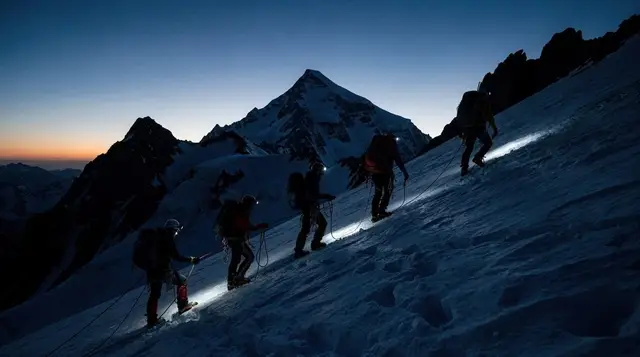
For anyone considering the summit itself, Climbing Mount Kazbek has its own, narrower window: July to September is the core glacier-climbing season, when conditions are most stable, though never guaranteed even then.
Svaneti: June to early October
The Mestia to Ushguli trek and shorter routes like Koruldi Lakes and the Chalaadi Glacier walk generally open through June as the highest passes lose their snow, run through a reliable summer window in July and August, and stay walkable into September and often the first half of October before the weather turns. Svaneti’s high passes on the multi-day trek can still hold late snow into June in a heavy year, which is worth checking rather than assuming from a calendar date alone. Svaneti: Trekking Tour 6 Day from Mestia to Ushguli and Chalaadi Glacier Tour both run within this window.
Tusheti: the shortest season of all
Tusheti has the tightest window of any of Georgia’s hiking regions, because the only road in — over the Abano Pass — is closed by snow for roughly seven months of the year, typically reopening late May to June and closing again by mid-October. Outside that period the region is effectively cut off by road, which means Trekking in Tusheti is only realistic within that same narrow window, regardless of how the weather looks lower down in Kakheti at the same time. From Tbilisi: Tusheti 3 Day Jeep Tour with Accommodation runs during this open season and is worth booking with the pass’s typical closing dates in mind if travelling in early or late season.
Lagodekhi and the border reserves
Black Rock Lake, Lagodekhi, on the border ridge with Dagestan, follows a similar pattern to Svaneti — realistically late June through September, since the ranger huts along its multi-day route are not maintained through winter and snow lingers on the upper sections into early summer. Because this route also requires a border-zone permit arranged separately from the season itself, it is worth applying with enough lead time that the permit is ready well before the window even opens, rather than treating the two as something to sort out simultaneously at the last minute.
Rain, thunderstorms and the pattern that repeats all summer
Across almost every Georgian hiking region, summer afternoons bring a genuine risk of thunderstorms building over the mountains, often after a clear, settled morning — a pattern hikers quickly learn to plan around rather than be caught out by. Starting early and aiming to be off exposed ridges and past any river crossings by early-to-mid afternoon is standard practice in July and August, when this cycle is at its most reliable, and it applies as much to the multi-day crossing in Borjomi-Kharagauli National Park as it does to higher routes further north.
Mornings are also, generally, when visibility is best for photography and for judging whether a pass or ridge section is worth attempting that day, which is one more reason the region’s guides so consistently favour a pre-dawn or early-morning start on longer routes.
A rough month-by-month picture
April and May bring the lower trails around Tbilisi and Kakheti into full swing, with wildflowers at their best and temperatures comfortable for walking, while the high routes remain snowbound. June is the transition month across almost every region covered on this site — Kazbegi’s valley trails, the lower reaches of Svaneti, and (weather permitting) the Abano Pass into Tusheti all typically open through this period, though early June can still catch late snow on shaded, north-facing sections. July and August form the core of the season everywhere, reliable but crowded and prone to afternoon storms.
September is, for many experienced visitors, the best all-round month: crowds thin noticeably, weather often settles into longer stable spells, and the forests below the treeline begin to turn colour by the second half of the month. By early-to-mid October, nights at altitude turn sharply colder, huts along the multi-day routes start closing for the season, and the passes into Tusheti and toward Adjara’s highlands close for the winter not long after, bringing the high-mountain hiking season to a close until the following June.
What high season actually means for crowds
July and especially August are peak season across all of Georgia’s mountain regions — schools are out across Europe, and routes like Juta-Chaukhi and Mestia-Ushguli see their heaviest foot traffic then. Late June and September, both still safely within the core season for most regions, tend to offer a meaningfully quieter experience without a real trade-off in weather reliability, and September in particular often gives some of the most stable multi-day conditions of the year.
The passes that define the calendar
Two mountain passes do more than anything else to set Georgia’s hiking calendar: Abano, into Tusheti, and Goderdzi, on the road up toward Adjara’s highlands, both close from roughly October to June. The Georgian Military Highway toward Kazbegi stays open year-round in principle but is subject to temporary closures for avalanche control and snow clearance, especially in shoulder months. See Mountain roads and passes for the fuller picture, and note that these same closures affect driving itineraries, not just hiking plans.
How gear needs change through the season
Early and late season trips need meaningfully different packing than a July or August trip, even on the same trail. June hikers in Kazbegi or Svaneti should expect lingering snow patches on shaded, north-facing sections and higher river levels from snowmelt, which can turn an easy stream crossing into a genuine obstacle on a warm afternoon when meltwater peaks — crossing early in the day, before the sun has been on the snowfields for hours, is a standard workaround.
September and early October bring sharply colder nights at altitude even when daytime temperatures still feel like summer lower down, which catches out hikers who packed based on the warm valley weather they experienced on arrival rather than the huts and passes they will actually sleep at. Layered clothing that can be added or shed through a single day matters more in the shoulder months than in peak summer, when the daily pattern is more consistent from morning to evening.
Choosing a season by region, not by date
For a first Georgia hiking trip built around a single headline route, the season question is really a question about which region you are drawn to. A July or August trip suits almost any of Georgia’s hiking regions and is the least risky choice for a fixed-date trip booked well in advance, at the cost of the biggest crowds on the most popular routes.
A September trip suits Svaneti and Borjomi-Kharagauli particularly well, both of which tend to hold stable weather into the month, but is a riskier bet for Tusheti, where the Abano Pass can close earlier than expected in a heavy snow year. A late-June trip works well for lower-altitude regions and for Kazbegi’s valley trails, but is a poor choice for anyone hoping to climb Kazbek itself, where the glacier is generally at its least stable that early in the season.
Winter: a different mountain season entirely
Once the hiking passes close, Georgia’s mountains do not go quiet — they switch to skiing. Gudauri and Bakuriani both run roughly December to April; see Skiing Gudauri: lifts, snow and lift passes for how the two seasons — hiking and skiing — hand off to each other through the shoulder months.
Booking flights and accommodation around an uncertain window
Because snowmelt varies year to year, nobody can promise a precise opening date for the high passes months in advance, which creates a real tension for travellers who need to book flights and accommodation well ahead of a trip. The practical approach most experienced Georgia hikers take is to build in buffer days either side of the planned hiking dates, especially for anything timed close to the edges of a season — early June for Tusheti or Svaneti, or early October for anything above 2,000m — and to have a lower-altitude backup plan ready if the intended route turns out to still be closed on arrival.
Day hikes you can do from Tbilisi and the shorter trails in Borjomi-Kharagauli National Park both make sensible fallback options precisely because their season is so much longer and more forgiving than the high routes.
Checking current conditions before you travel
Because pass opening dates shift from year to year, and because a single late snowfall can temporarily close a route that had been open for weeks, checking current conditions close to departure is worth more than relying on any general seasonal guide, including this one. Local guiding operators based in Stepantsminda, Mestia and the Kakheti guesthouses that serve Tusheti-bound travellers are usually the most reliable and current source, since they are the ones driving these roads and checking these trails on a near-daily basis through the season.
Booking a guided trip rather than travelling entirely independently also shifts some of this uncertainty onto someone with direct, current knowledge of the mountain, which is one of the more underrated reasons to hire a guide for a shoulder-season trip, even on a route that would be straightforward to do independently in the middle of summer.
What to do if your dates fall outside the ideal window
Not every trip can be timed for late June or September, and a fixed-date visit in early spring, deep winter or the very edge of autumn does not have to mean giving up on the mountains altogether. Lower routes near Tbilisi and Borjomi stay walkable across a far wider window than the high Caucasus, and a winter visit can be redirected toward skiing at Gudauri or Bakuriani rather than treated as a hiking trip forced into the wrong season. The mistake to avoid is arriving with a fixed plan to attempt a high route like the Mestia to Ushguli trek or a Tusheti visit in a month when the passes are still closed, discovering the constraint only on arrival, and having no lower-altitude fallback built into the itinerary at all.
The one rule worth remembering
If there is a single takeaway from this guide, it is this: check the specific region and altitude you plan to hike, close to your travel dates, rather than relying on a general sense that “summer in Georgia” means every mountain trail is open. The country’s hiking regions are diverse enough, and its seasonal windows different enough from one to the next, that this one habit does more to avoid a disappointing or unsafe trip than any other single piece of planning advice in this guide.
Frequently asked questions about Georgia’s hiking season
The questions below cover specific months, passes and how the season varies by region.
Can you hike in Georgia in May?
Lower-altitude trails around Tbilisi, Borjomi and Kakheti are generally fine in May, sometimes muddy after rain. High routes in Kazbegi, Svaneti and Tusheti are usually still under significant snow at this point and best avoided until June.
When does the road to Tusheti open?
The Abano Pass, the only road into Tusheti, typically opens around late May to June depending on snowmelt and closes again by mid-October. Outside that window Tusheti is effectively cut off by road, which shapes the entire region’s hiking season.
Is July or August better for hiking in Georgia?
Both are within the core season, but August draws the biggest crowds on popular routes like Juta-Chaukhi and Mestia-Ushguli, and afternoon thunderstorms are common in both months at altitude. Late June and September often give a quieter, similarly reliable alternative.
Is September good for hiking in Georgia?
Often the best month — settled weather, thinner crowds than August, and autumn colour starting in the lower forests by late September, though nights turn cold fast at altitude and some huts start closing toward the end of the month.
When does Georgia’s hiking season end?
Realistically by mid-October for high routes, sometimes earlier if snow arrives early in a given year. Lower-altitude trails near Tbilisi and Borjomi stay walkable later into autumn and, for some, through a mild winter.
Can you hike in Georgia in winter?
Only at lower altitude — forest trails around Tbilisi and Borjomi can be walkable between snowfalls. Georgia’s winter mountain season is for skiing, not hiking: Gudauri and Bakuriani both operate roughly December to April, while the high trekking regions are closed.
Do all of Georgia’s mountain passes close for winter?
The two most relevant to hikers, Abano (into Tusheti) and Goderdzi (toward Adjara’s highlands), both close from around October to June. The Georgian Military Highway toward Kazbegi stays open year-round but with intermittent closures for avalanche control and snow clearance.
Mountain hikes on GetYourGuide
Verified deep-linked GetYourGuide tours. Book through these links and we earn a small commission at no cost to you.
Photo: our own image of the location, not the operator’s product photo.