The Mestia to Ushguli trek, day by day
How long does the Mestia to Ushguli trek take?
Most trekkers cover it in 4 days, roughly 45-50 km total with several passes over 2,700 m, sleeping in family-run guesthouses in the villages along the way. A 4x4 covers the same road distance in around 3-4 hours for anyone who wants the villages without the walking.
Georgia’s best-known multi-day walk
The trek from Mestia to Ushguli is the closest thing Georgia has to a signature long-distance hike: four days through medieval Svan villages, stone defensive towers, high passes and glacier views, sleeping each night in a different family guesthouse rather than a tent. It is also, honestly, a trek that a paved-enough dirt road now shadows for most of its length, which means the same route is doable by 4x4 in a single long day. Both are legitimate ways to see this stretch of Svaneti — this guide breaks the walking route down day by day and is upfront about where the road runs close enough to the trail that some hikers choose to combine the two.
The standard four-day route
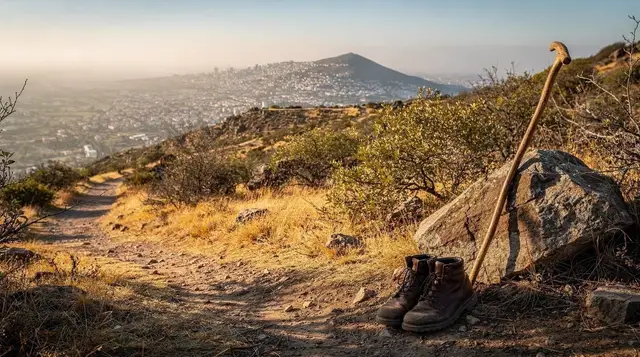
Day 1: Mestia to Zhabeshi (or Adishi via a longer variant) — Most itineraries start with a transfer or short walk out of Mestia to the trailhead near Lenjeri, then climb through forest and alpine meadow before dropping to Zhabeshi, a scattered village of Svan towers roughly 5-6 hours of walking from the start. Elevation gain on this stretch is moderate, in the region of 500-700 m, more a warm-up than the hardest day of the trek.
Day 2: Zhabeshi to Adishi — A longer, harder day, crossing higher ground with views toward the Adishi glacier and the peaks above it, typically 6-7 hours of walking. This is usually the day trekkers rate as the most demanding of the standard route, both for distance and for a stream crossing near Adishi that can run high with glacial melt in the afternoon — crossing earlier in the day, before the sun has worked on the ice above, is the standard advice.
Day 3: Adishi to Iprali (or Khalde) — The trek’s high point, crossing the Chkhutnieri pass at around 2,700 m before descending toward Iprali or the smaller village of Khalde, depending on the operator or route variant. Weather at the pass can turn quickly even when Adishi looks clear, and this is the stage most guided itineraries build in the most flexibility around, ready to wait out a poor morning rather than push through it.
Day 4: Iprali to Ushguli — A shorter, gentler final day, often 3-4 hours, following the valley down into Ushguli itself — Europe’s highest continuously inhabited settlement cluster, sitting close to 2,100 m with Shkhara’s glaciated wall filling the head of the valley behind it.
From Mestia: 4 Day Guided Trek to Ushguli with Meals follows this exact structure with a guide and meals included, which removes the guesswork around timing the Adishi crossing and reading conditions at the pass — genuinely useful given how much those two factors shape whether the trek feels straightforward or stressful.
The Svan towers along the way
Every village on this route — Zhabeshi, Adishi, Iprali, and Ushguli itself — carries the stone defensive towers that give Svaneti its particular skyline, built over centuries by families needing somewhere to retreat to during blood feuds and outside raids in a region that stayed largely beyond central Georgian control for long stretches of its history.
Some towers still stand attached to working farmhouses; others lean or crumble quietly at the edge of a field. None of this is staged for trekkers — the towers were doing their job long before Svaneti became a hiking destination, and walking between villages rather than driving is one of the better ways to see how densely they are still woven into daily life rather than concentrated in a single museum-like cluster the way they can feel in Mestia itself.
Total distance and elevation
Total walking distance across the four days runs roughly 45-50 km depending on the exact route variant chosen, with cumulative elevation gain in the region of 2,000-2,500 m spread unevenly across the days — day two and day three carry most of the climbing, while days one and four are comparatively gentle. None of the passes involve technical climbing or exposure that would require ropes, but the combination of altitude, distance and consecutive days on tired legs makes this a genuine trekking commitment rather than a series of day walks strung together.
Where you sleep
Every night on the standard route is spent in a family-run guesthouse in one of the villages along the way rather than camping, which is part of what makes this trek accessible to people without serious backpacking gear: no tent, stove or sleeping mat to carry, just a daypack for each stage. Rooms are simple, dinner is usually a home-cooked Svan meal included in the price, and hot water is not always guaranteed, particularly in the smaller villages like Adishi. Booking ahead through a guided operator secures rooms without the uncertainty of arriving and hoping a bed is free, which matters more in peak season (late July and August) than it does in the quieter shoulder weeks.
From Mestia: 4 Day Trek to Ushguli with Guide Transfers is built around this same guesthouse structure with a guide managing bookings ahead of each stage, one less thing to coordinate on a trek where phone signal disappears for long stretches between villages.
Doing it independently versus with a guide
The trail is well-established and, in good weather, not difficult to follow without a guide — many independent trekkers do exactly that, using guesthouse owners for local knowledge each evening rather than a dedicated guide throughout. The case for a guide is strongest around the Adishi stream crossing and the Chkhutnieri pass, where conditions genuinely vary day to day and a guide’s up-to-date read matters more than a route description written months earlier.
A guide also handles guesthouse bookings and pacing, which removes a real source of stress in peak season when beds in the smaller villages fill up fast. Guides, gear and mountain rescue in Georgia covers how to find one and what to expect if you go independent instead.
The 4x4 alternative, and why some people combine both
A rough but increasingly graded road now runs close to much of this route, and a 4x4 covers Mestia to Ushguli in roughly 3 to 4 hours, weather and road conditions permitting. This is not a lesser way to see Svaneti — the villages, towers and glacier views are largely the same from the road as from the trail in the sections where they run close together — and it is the realistic choice for anyone without four spare days or the fitness for consecutive long walking days.
Day Tour to Ushguli from Mestia covers Ushguli as a single day out from Mestia and back, the fastest way to see the village itself without committing to the multi-day trek at all, useful for travellers who want Shkhara’s glacier view without the four days it takes on foot.
Some trekkers split the difference: walking the harder, more scenic middle two days (Zhabeshi to Adishi to Iprali) and taking a 4x4 for the flatter first and last legs, which trims the trip to two or three days without losing the trek’s best sections. This is worth discussing directly with a guided operator if the standard four-day structure does not fit your schedule.
Season
Late June through mid-September is the workable window, with the Chkhutnieri pass and the higher sections around Adishi holding the most reliable snow-free conditions from mid-July onward in a typical year. Late June can still carry snow patches at the pass after a heavy winter, and by late September the smaller guesthouses in villages like Adishi begin closing for the season, narrowing sleeping options along the route.
July and August are the busiest months and the ones where booking guesthouse beds ahead matters most; the shoulder weeks either side offer a quieter trail at some cost in reliability of accommodation. See Trekking season and how it maps onto Georgia’s other high routes for how this compares with Kazbegi and Tusheti, which open and close on slightly different schedules.
What to pack
Trail shoes or boots with real grip for the pass crossing, a proper rain shell given how fast weather turns at 2,700 m, and enough layers that a cold morning at altitude does not catch you out even in July. Cash matters more here than almost anywhere else on a Georgian trip, since guesthouses in the smaller villages rarely take cards and the nearest ATM is back in Mestia. A basic first aid kit and a means of purifying water are sensible additions given how remote the middle two days are from any form of help. Packing for Georgia, season by season covers the wider trip; treat this trek specifically as needing more warmth, more cash and more self-sufficiency than that general list assumes.
Mountain rescue and what remoteness actually means here
The villages between Zhabeshi and Iprali are genuinely remote — no road access for a vehicle to reach you quickly, patchy phone signal at best, and mountain rescue that, if needed, takes real time to reach the higher sections of trail. This is not meant to alarm, since thousands of trekkers complete this route safely every season, but it does mean the standard precautions matter more than they would on a day hike near Tbilisi: telling your guesthouse host your planned route each morning, carrying more supplies than feels necessary, and turning back from the pass if weather is closing in rather than pushing through.
Mountain safety in Georgia: rescue, weather and signal and Is Georgia safe? An honest answer both cover this in more general terms; apply the more cautious end of that advice specifically to the Chkhutnieri pass crossing on day three.
Fitness and what the trek actually demands
Four consecutive days of 5-7 hours of walking, with real elevation gain on at least two of them, is a meaningfully bigger undertaking than any single hike elsewhere in this guide series. Trekkers do not need technical climbing experience, but should be honestly comfortable with multi-day hiking and carrying a daypack over uneven terrain before committing — this is not the trek to attempt as a first multi-day hike with no prior experience, particularly given how remote parts of the middle section are from any road access if something goes wrong.
From Mestia: Ushguli Shkhara Glacier Horseback Tour is worth knowing about as an alternative for travellers who want to reach the glacier views around Ushguli without the sustained walking demand — horses cover ground that would otherwise require the fitness this trek assumes.
Arriving in Ushguli: what the end of the trek looks like
Coming into Ushguli on foot rather than by car changes the arrival noticeably. Day-trippers who drive in from Mestia see the village, the towers and Shkhara’s glacier wall for an hour or two before heading back; trekkers arrive tired, on their own schedule, at the end of a genuine physical effort, and tend to stay at least one night before deciding how to get back. That extra night is worth building in regardless of how the legs feel on arrival — Ushguli’s light in the early morning, before any day-trip traffic has arrived from Mestia, is a noticeably different experience from the same village at midday.
Getting to Mestia in the first place
Reaching the start of the trek means reaching Mestia first, which from Tbilisi is a genuinely long day (8-9 hours by road) or a short flight from Natakhtari or Kutaisi when weather allows — see Getting to Svaneti for the realistic options and their trade-offs before you build the trek into a wider itinerary. Most trekkers spend at least one night in Mestia before setting off, both to adjust after the journey in and to sort last-minute gear or guesthouse bookings for the trail ahead.
Combining the trek with the rest of Svaneti
Mestia itself has enough to fill a spare day either side of the trek, from Chalaadi Glacier, an easy half-day walk that makes a good leg-tester before the longer days ahead, to Koruldi Lakes above the town for a shorter high-altitude taste of what the trek proper delivers over four days. Anyone building Svaneti into a longer Georgian trip rather than a single dedicated week should also look at the full eight-day Svaneti hiking itinerary, which folds this trek into a wider route rather than treating it as an isolated add-on.
The honest bottom line
This is Georgia’s most complete multi-day trek without requiring mountaineering skills: genuinely remote villages, a real physical challenge, and Shkhara’s glacier at the end of it, all without needing a tent or technical gear. It is not, however, a casual add-on to a Georgian holiday — four consecutive demanding days deserve honest fitness self-assessment and, for most people, a guide who can manage the pass crossing, the guesthouse bookings and the pacing. For anyone who wants the villages and the glacier without the four days, the 4x4 route delivers most of the same visual reward in an afternoon, and there is no shame in choosing it.
Frequently asked questions about the Mestia to Ushguli trek
How fit do I need to be for the Mestia to Ushguli trek?
Comfortably fit for 5-7 hours of walking on consecutive days with real elevation gain; prior multi-day hiking experience is a real advantage given the remoteness of the middle stages.
Can you do the Mestia to Ushguli trek without a guide?
Yes, many independent trekkers do, relying on guesthouse owners for local knowledge. A guide adds most value around the Adishi stream crossing and the Chkhutnieri pass, where conditions vary day to day.
Is it safe to cross the stream near Adishi?
It varies by day and time — glacial melt raises the level through the afternoon, so crossing earlier in the day is standard advice, and a guide’s same-day read of conditions is more reliable than a fixed rule.
Do you need to book guesthouses in advance?
In July and August, yes, particularly in smaller villages like Adishi where bed numbers are limited. Shoulder-season trekkers have more flexibility to arrange rooms on arrival.
Is the 4x4 route as good as walking?
For seeing the villages and the glacier views, largely yes, since the road runs close to the trail for much of the way. What it does not replicate is the physical experience and the time spent in each village rather than passing through.
What is the best time of year for this trek?
Mid-July through August for the most reliable conditions and open guesthouses; June and late September are workable with more risk of snow at the pass or reduced accommodation options respectively.
Mountain hikes on GetYourGuide
Verified deep-linked GetYourGuide tours. Book through these links and we earn a small commission at no cost to you.
Photo: our own image of the location, not the operator’s product photo.