A town still defined by its towers
Mestia is the administrative centre of Svaneti, a historically isolated mountain region in Georgia’s north-west corner, and the first thing most visitors notice on arrival is the skyline — dozens of stone defensive towers, some over 900 years old, rising directly out of family compounds throughout the town. These Svan towers were built for genuine defence, against blood feuds and invaders alike, in a region that stayed largely outside centralised Georgian control well into the modern era, developing its own distinct language, architecture and customs along the way. Roughly 175 towers survive across Svaneti as a whole, and Mestia has one of the highest concentrations still standing among working farmhouses rather than isolated as monuments.
That combination — genuine medieval defensive architecture still embedded in daily village life, set against some of the highest peaks in the Caucasus — is what puts Mestia at the top of most Georgia itineraries that get beyond Tbilisi and Kakheti. It isn’t an easy add-on: reaching Svaneti takes real time and the weather can close roads and cancel flights with little warning, but for travellers willing to build the days around it, Mestia delivers a version of Georgia unlike anywhere else in the country.
The Svaneti Museum of History and Ethnography
Mestia’s museum is genuinely one of the better regional museums in Georgia, holding an unusually rich collection of medieval icons, illuminated manuscripts, chainmail and processional crosses — much of it saved from local churches during periods when Svaneti’s isolation made it a safer place to hide religious treasures than more accessible parts of the country.
The collection rewards more time than a rushed half-hour pass; several pieces date to the 9th and 10th centuries and are displayed with English labelling that gives real historical context rather than bare object descriptions. It’s a useful first stop for understanding why Svaneti developed so differently from the rest of Georgia before heading out to see the towers and villages themselves.
Chalaadi Glacier: the easiest big walk from town
Chalaadi Glacier sits at the end of a walking trail that starts a short drive or a longer walk from central Mestia, following the Mestiachala river valley through forest before opening onto a view of the glacier’s face and the moraine in front of it. It’s one of the more accessible glacier walks in Georgia — a round trip of roughly 3-4 hours on manageable terrain, not a technical hike, which makes it a realistic option for visitors without serious trekking experience or gear.
A day trip covering both Chalaadi Glacier and the Koruldi Lakes combines Mestia’s two standout walks into a single guided day. Full trail detail is in the Chalaadi Glacier guide.
Koruldi Lakes, and the view that justifies the climb
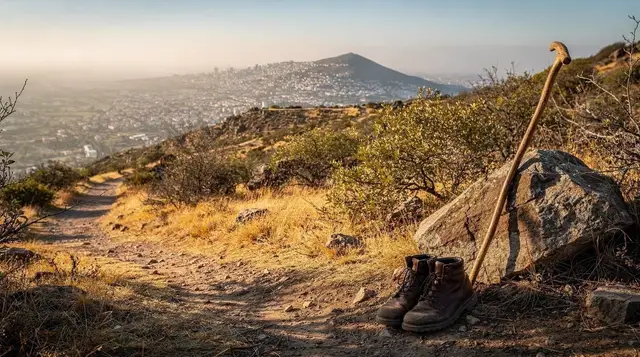
The Koruldi Lakes sit high above Mestia, reached either by a genuinely demanding several-hour hike or, more commonly, by 4x4 up a rough track followed by a shorter walk to the lakes themselves. The reward is one of Svaneti’s best panoramas — Ushba’s twin peaks and the wider Bezengi range visible across the valley, with the small alpine lakes reflecting the peaks on a still day.
Weather here changes fast even by Georgian mountain standards, and cloud cover can erase the view entirely with little warning, which is worth knowing before committing to the harder walking route over the 4x4 option. A guided hike up to the Koruldi Lakes is the more rewarding, if more demanding, way to make the ascent. Full route and difficulty detail is in the Koruldi Lakes guide.
Hatsvali and Tetnuldi: skiing, and summer lift access
Two ski areas sit within reach of Mestia — Hatsvali, closer to town and generally considered the beginner-friendlier of the two, and Tetnuldi, a larger, more recently developed resort a further drive away with terrain suited to more experienced skiers. The season runs roughly December to April, shorter and less crowded than Gudauri, and infrastructure remains more modest, which appeals to skiers specifically seeking Svaneti’s dramatic scenery over polished resort amenities. Outside ski season, Hatsvali’s lift often continues running for hikers and sightseers, offering an easy way up for a view without the full Koruldi ascent.
Mestia to Ushguli: the region’s signature drive
The road between Mestia and Ushguli, Europe’s highest permanently inhabited settlement, is one of Georgia’s most scenic and most discussed drives — around two to three hours each way over a rough, partly unpaved road that closes intermittently after heavy rain or snow. Most visitors do it as a guided day trip by 4x4 rather than attempting it independently, both for the road conditions and because a guide adds genuine context to the villages passed along the way.
A day tour from Mestia to Ushguli and back covers the full round trip with stops at villages en route. Full detail on the route, the alternative multi-day trekking option and what the road is actually like is in the Mestia to Ushguli trek guide and on the separate Ushguli destination page.
Getting to Mestia
Mestia is reached by road from Zugdidi, roughly 2.5-3 hours through the Enguri valley, or by a short domestic flight from Tbilisi to Mestia’s small Queen Tamar Airport, which operates only in clear weather and is prone to cancellation — a genuine planning risk worth building slack around rather than scheduling a tight connection immediately after. Overland travel typically routes through Zugdidi, reachable by the overnight train from Tbilisi or by road from Batumi.
A shared transfer from Kutaisi to Mestia is a straightforward way to make the journey without renting a car or navigating marshrutka schedules. Full route options and current flight reliability are covered in getting to Svaneti.
Where to stay
Mestia’s guesthouse stock has grown substantially over the past decade, ranging from simple family homestays serving home-cooked Svan meals to a handful of more polished small hotels built around the ski trade. Staying in a family guesthouse rather than a hotel is worth prioritising here specifically — Svan hospitality and home cooking, built around local specialities like kubdari (a meat-filled bread distinct from anywhere else in Georgia), is a genuine part of what makes a Svaneti visit distinctive.
Weather, and why Svaneti moves slower than the rest of Georgia
Svaneti’s weather is genuinely more volatile than lowland Georgia’s, and it’s the single biggest factor in how a Mestia trip actually unfolds — flights get cancelled, the Ushguli road closes after heavy rain, and cloud can erase a hard-won mountain view within the hour. Building in a spare day, rather than a tightly scheduled in-and-out itinerary, is the difference between a trip that absorbs a bad-weather day gracefully and one that loses its Ushguli visit entirely. See when the Georgian hiking season actually opens and the wider eight-day Svaneti hiking itinerary for how experienced trip planners build in that buffer.
Beyond Mestia: Svaneti’s wider valley
For travellers with more time, Svaneti extends well beyond Mestia and Ushguli — off-road routes further into the region reach villages with essentially no organised tourism at all, and the broader mountains and hiking theme covers routes across Georgia for comparison against what Svaneti specifically offers. Zugdidi, the region’s lowland gateway, is worth a stop in its own right for the Dadiani Palace museum, particularly for anyone arriving or departing by the overnight train.
Why the towers were built, specifically
Svan defensive towers weren’t a generic medieval fortification style — most were built by individual extended families as private refuges, a direct response to a customary law system in which blood feuds between families could run for generations, and a household under threat needed somewhere defensible to retreat with supplies for a siege that might last days or weeks.
That’s a genuinely different origin from castle towers built by rulers to project regional power; a Svan tower belonged to a family, sat beside their house, and its height and thick stone walls were sized to what one household could realistically defend. Many towers date from the 9th through 13th centuries, and their survival in such numbers owes as much to Svaneti’s historic isolation — few outside armies ever found it worth the effort to reach and destroy them — as to the quality of the original construction.
Hiring a local guide in Mestia
While Chalaadi Glacier and the lower approaches to Koruldi are manageable independently with a paper map or offline GPS route, a local guide adds real value beyond convenience for anyone venturing further into Svaneti’s back valleys — trail marking thins quickly past the well-trodden routes, weather changes fast enough that local knowledge of conditions matters, and guides typically speak enough English to add genuine cultural and historical context that a solo hike misses entirely.
Guides can be arranged through most Mestia guesthouses or the town’s tourism information office, and rates are generally reasonable relative to the value added, particularly for a full-day route like Koruldi or a Ushguli 4x4 trip where local knowledge of current road conditions matters directly.
What a Mestia stay actually costs
Mestia has grown a genuine range of accommodation to match its rising visitor numbers — a basic guesthouse room with breakfast runs roughly 40-70 ₾ per night, while a more polished small hotel built around the ski trade can run 150-300 ₾. A home-cooked Svan dinner at a guesthouse, often including kubdari, typically costs 20-35 ₾ per person, while a restaurant meal in town runs similarly. The 4x4 trip to Ushguli, whether self-arranged or as part of an organised tour, is the single largest line item in a typical Mestia budget given the vehicle and driver time required for the rough road — worth budgeting for specifically rather than assuming it’s a minor add-on to an otherwise cheap mountain stay.
Comparing Mestia to Kazbegi
For travellers deciding how to split limited mountain time between Svaneti and Kazbegi, the honest comparison is largely about distance versus payoff. Kazbegi is roughly three hours from Tbilisi on a paved road, reachable as a long day trip if necessary, and offers genuinely dramatic scenery around Gergeti Trinity Church with far less time investment.
Mestia demands a much larger commitment — a full day’s travel each way at minimum — but rewards it with Svan towers, a genuinely different regional culture, and the option to push on to Ushguli. See Kazbegi or Svaneti? for a fuller breakdown of that specific trade-off, and the eight-day Svaneti hiking itinerary for what a dedicated Svaneti-focused trip looks like end to end.
Packing for Mestia specifically
Layering matters more in Mestia than almost anywhere else on a typical Georgia itinerary, given how much temperature can swing between a sunny valley morning and a cloud-covered ridge a few hours’ walk higher. Waterproof or at least water-resistant outer layers are worth carrying even in summer, since Svaneti’s weather can turn without much warning.
For the Chalaadi or Koruldi hikes specifically, proper walking shoes with grip matter more than fashion trainers, given loose scree and occasionally muddy sections on both trails. Cash is worth carrying in reasonable quantity, since card acceptance thins out considerably once outside Mestia’s main guesthouses and restaurants, and there’s essentially no reliable card infrastructure in Ushguli or the smaller villages along the way.
Mestia as part of a longer Georgia route
Most travellers reach Mestia as one leg of a longer Georgia trip rather than a standalone destination — commonly routed either from Kutaisi via the flight or the Zugdidi road, or as an extension after time spent along the Black Sea coast. Because Svaneti demands so much travel time relative to other Georgian regions, it works best in an itinerary of ten days or more, where the multi-day commitment doesn’t crowd out everything else on the list.
The ten-day Georgia itinerary and two-week itinerary both build Svaneti in as a dedicated multi-day block rather than a rushed add-on, which reflects how the region is actually best experienced.
A note on respecting private towers
Many of Mestia’s towers remain privately owned by the families whose ancestors built them, standing directly beside occupied houses rather than roped off as separate monuments. A handful are open to visitors, sometimes for a small fee paid to the family, offering a genuine look inside a structure that’s otherwise easy to admire only from the street. Assuming every tower is open to entry, or wandering into a family’s courtyard uninvited for a closer photo, is a common and avoidable mistake — asking first, or visiting one of the towers specifically set up for guests, respects the fact that this is still someone’s home rather than a static exhibit.
Frequently asked questions about visiting Mestia
How many days should I plan for Mestia?
Three to four days, covering the town itself, one major hike (Chalaadi or Koruldi), and a day trip to Ushguli. Fewer days works but means choosing between those elements rather than fitting all of them in.
Is it better to fly or drive to Mestia?
Flying from Tbilisi is faster when it operates, but the small airport is weather-dependent and cancellations are common. Driving via Zugdidi is more reliable, if slower, and gives more flexibility if flights are disrupted.
Do I need a 4x4 to get to Ushguli from Mestia?
The road is rough and partly unpaved; a 4x4 or an organised tour using one is the standard and recommended way to go rather than a standard rental car.
Is Mestia worth visiting outside hiking season?
Yes, for skiing at Hatsvali or Tetnuldi from roughly December to April, though summer remains the more popular season for the hiking and the Ushguli road, which can be difficult or closed in winter.
How difficult is the walk to Chalaadi Glacier?
Moderate — a 3-4 hour round trip on clear, non-technical trail, manageable for most visitors with reasonable fitness and no prior hiking experience required.
Can the Koruldi Lakes be reached without hiking?
Yes, by 4x4 up the rough track followed by a shorter walk, which is the more common option than the full multi-hour hike from town.
Is Mestia crowded in peak summer?
It has grown noticeably busier in recent years, particularly around the Ushguli road and the main viewpoints, though it remains far less crowded than Kazbegi given the distance and effort required to reach it.
What’s the local Svan food worth trying in Mestia?
Kubdari, a spiced meat-filled bread distinct from Georgian khachapuri, is Svaneti’s signature dish and worth seeking out at a family guesthouse rather than a tourist-facing restaurant.