Rafting the Aragvi, Rioni and Mtkvari
Which river is best for rafting in Georgia?
The Aragvi, near Pasanauri on the Georgian Military Highway, is the easiest and most accessible option as a half-day trip from Tbilisi. The Rioni, near Kutaisi, carries more volume and a slightly bigger ride, while the Mtkvari at Borjomi is calmer and more scenic than adventurous. None of Georgia's commercially rafted rivers are extreme whitewater; all sit in the beginner-to-moderate range.
Three rivers, three very different days out
Georgia’s rafting scene is built around three main rivers, each with its own character and its own reason to be the one you pick. The Aragvi, running past Pasanauri on the Georgian Military Highway, is the easiest to reach from Tbilisi and the one most first-time visitors end up on almost by default. The Rioni, closer to Kutaisi in western Georgia, carries more water and a slightly livelier ride.
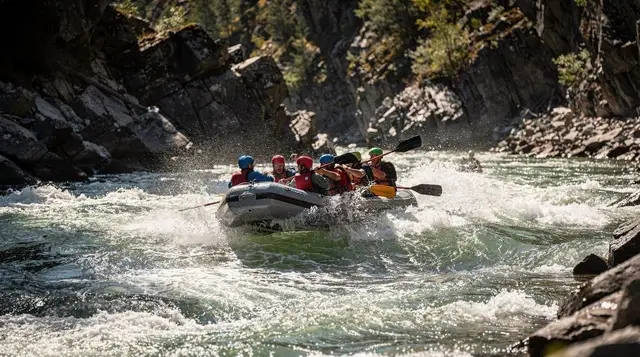
The Mtkvari (Kura) near Borjomi is the calmest of the three, closer to a scenic float with occasional splashes than a genuine adventure sport. None of them is extreme whitewater by international standards - Georgia’s commercial rafting sits firmly in the beginner-to-moderate range, which is worth knowing before you book if you are picturing something closer to a Colorado River rapid.
From Tbilisi: Pasanauri River Rafting Adventure Food Wine is the standard Aragvi trip most Tbilisi-based visitors book, combining the rafting itself with a Georgian meal and wine afterward - a fairly typical pairing for this particular river’s operators.
The Aragvi: easiest to reach, easiest to fit into a day
The Aragvi’s rafting stretch near Pasanauri sits directly on the route most visitors already travel toward Kazbegi and Ananuri Fortress, which makes it simple to combine with a wider Military Highway day rather than a dedicated trip. The water here is gentle enough for genuine beginners and most families, with guides doing the bulk of the technical paddling and steering while passengers contribute more modest effort. It is not, honestly, an adrenaline-focused outing - the appeal is scenery, a splash of cold mountain water on a hot day, and an easy add-on to a route many visitors are already driving.
The Rioni: more water, more of a ride
Near Kutaisi, the Rioni carries noticeably more volume than the Aragvi, translating into a livelier, slightly more physical rafting experience without crossing into genuinely technical whitewater territory. This makes it the better pick for visitors specifically looking for more of a ride than the Aragvi’s gentler stretch offers, while still remaining accessible to reasonably fit beginners under proper guide instruction. The river continues on through Racha, Georgia’s least-visited wine and mountain region, and some operators build longer, multi-stretch trips further upstream for visitors with more time and a taste for quieter scenery than the Kutaisi-adjacent section offers.
Kutaisi: Rioni River Rafting Tour with Instructor covers the standard guided trip from Kutaisi, a sensible add-on for visitors already exploring western Georgia’s canyons and caves rather than a reason on its own to travel to this part of the country.
The Mtkvari at Borjomi: scenery over adrenaline
The stretch of the Mtkvari (Kura) near Borjomi trades excitement for scenery, running through the forested valley that gives Borjomi-Kharagauli National Park its reputation, with only modest rapids along the way. It suits families with younger children, nervous first-timers, or anyone who wants the novelty of being on the water without much physical intensity, and pairs naturally with a wider Borjomi day built around the mineral water park and old town.
Borjomi: Mtkvari River Rafting Tour with Guide is the standard version of this trip, a low-key half-day that works well slotted into a Borjomi or Bakuriani stay rather than requiring a separate journey.
Combining rafting with wine in Kakheti
A different kind of pairing altogether runs in Kakheti, where a shorter, gentler rafting stretch is sometimes bundled with wine and bread tasting as a single themed day, trading a serious river experience for a broader taste of the region’s food and drink culture alongside a splash of water.
Tbilisi: Kakheti Rafting Wine and Bread Tasting Tour is built around exactly this combination, worth considering for visitors already doing a Kakheti wine tour who want a lighter, more varied day than tasting alone.
Season and water levels
Rafting in Georgia runs broadly from May to September, with water levels shifting noticeably across that window. Late spring, when snowmelt from the surrounding mountains is at its peak, generally produces higher water and a livelier ride on all three rivers; by late summer, water levels drop and the experience mellows further, which particularly affects the Aragvi and Mtkvari, already the gentler two rivers. See An adventure calendar: what is open when for how this rafting window lines up with Georgia’s other seasonal outdoor activities.
What to expect on the day and what to wear
Operators generally provide a wetsuit or splash jacket, helmet and life jacket, so arriving in quick-drying clothes and shoes you do not mind getting wet is usually sufficient beyond that. Briefings happen at the put-in point and cover basic paddling commands and what to do if you fall in
- a real possibility on any of these rivers, though a minor one given the moderate grading, and guides are trained specifically to manage it. Bring a dry bag or leave valuables and phones with a non-rafting member of your group or securely stored, since almost nothing you carry survives an unplanned swim undamaged.
Local outfitters versus bigger operators
Georgian rafting is run by a mix of small, local, often family-operated outfits and larger, more internationally styled tour companies, and both are genuinely fine choices provided the guide is properly experienced with the specific stretch of river being run that day. The practical difference tends to be in extras - photo packages, food and wine add-ons, English fluency of the guide - rather than in underlying safety, since the rivers themselves and their grading do not change based on which company you book through. Reading recent reviews for the specific trip and river, rather than the operator’s overall rating, is the more useful check, since companies sometimes run trips on more than one river with uneven guide quality between them.
Honest downsides worth knowing before you book
The Aragvi’s convenience comes at a cost in peak summer: it is by far the busiest of the three rivers, and a July or August afternoon can mean sharing the put-in point with several other groups launching around the same time, which dilutes the sense of being somewhere remote. Travellers after a quieter experience should consider an earlier morning slot, the Rioni instead, or a shoulder-season month either side of peak summer.
The other honest limitation, already noted above, is that none of these rivers will satisfy a visitor specifically seeking serious whitewater - if that is the goal, Georgia’s tourist rafting scene is not the right target, and researching Georgia’s less commercially developed rivers with a specialist expedition operator is a different undertaking entirely from anything covered in this guide.
Who should think twice
Non-swimmers, anyone with a heart condition affected by cold-water immersion, and pregnant travellers are generally advised against rafting by most operators, and it is worth confirming any health concern directly rather than assuming a moderate river poses no risk at all. Very young children are usually excluded below a minimum age set by the specific operator and river, which is worth checking directly when booking a family trip rather than assuming a blanket policy across all three rivers.
Combining rafting with a wider trip
Because none of Georgia’s three main rafting rivers is really a destination in its own right, most visitors treat it as an add-on to a wider day already built around Kazbegi, Kutaisi’s canyons, or Borjomi and Bakuriani.
A Gudauri paragliding flight paired with Aragvi rafting is a common single adrenaline-focused day from Tbilisi, a sensible combination for travellers who want two adventure activities booked and transported together rather than arranged separately. For a broader look at how rafting sits alongside Georgia’s wider adventure calendar, including how it compares with the country’s other outdoor activities season by season, see An adventure calendar: what is open when and Paragliding at Gudauri for the country’s other headline adrenaline activity.
What “beginner-friendly” actually means on these rivers
Georgia’s tourist rafting sits on stretches generally graded in the easy-to-moderate range on the international whitewater scale, meaning small to moderate waves, occasional obstacles a guide steers around, and no technical manoeuvring required from passengers.
This is a genuinely different proposition from the harder-graded stretches rafted by local kayakers and expedition paddlers further upstream or on less accessible rivers, which are not part of the standard tourist offering and not something a first-time visitor should expect to stumble into by booking a normal day trip. If the word “rafting” conjures images of a technical whitewater expedition, it is worth resetting expectations before booking: this is closer to an enjoyable, occasionally splashy float with guided paddling than an extreme sport.
Choosing between the three rivers
For a Tbilisi-based visitor with limited time, the Aragvi wins on convenience alone, since it sits directly on a route many visitors are already driving toward Kazbegi. For anyone prioritising a livelier ride and already spending time in western Georgia around Kutaisi’s canyons and caves, the Rioni is the better pick. The Mtkvari at Borjomi suits families with young children or anyone who wants scenery and a splash rather than genuine excitement, and pairs naturally with a wider Borjomi or Bakuriani stay rather than requiring a dedicated trip. None of the three is dramatically better than the others in absolute terms - the right choice depends almost entirely on which part of Georgia you are already in and what kind of day you want.
Booking: group trips, private trips and timing
Most rafting operators run scheduled group departures at set times through the day, typically morning and early afternoon, with private trips available at a premium for groups wanting their own schedule or a specific departure time. Morning departures tend to have calmer water and cooler temperatures, which some travellers prefer in peak summer heat, while afternoon trips fit more naturally around a later start from Tbilisi. Booking a day or two ahead in July and August, when demand peaks alongside the warmest weather, is sensible rather than assuming a same-day slot will be available.
Gear, footwear and what to actually pack
Beyond the wetsuit, helmet and life jacket most operators provide, the detail visitors most often get wrong is footwear: sandals or flip-flops come off in the water almost immediately, while proper trainers or purpose-made water shoes stay on and protect feet from riverbed rocks at both the put-in and take-out points. A change of dry clothes left in the vehicle or with a non-rafting companion makes the drive home noticeably more comfortable than sitting in wet gear for an hour or more. Sunscreen matters even on an overcast day, since reflected light off moving water burns skin faster than most people expect.
Fitting rafting into a wider Georgia trip
Because none of these three rivers is a multi-day destination in its own right, rafting works best folded into an itinerary already built around the nearby sights. A five-day Georgia trip that includes Kazbegi has an obvious slot for the Aragvi on the drive up or back; see Five days in Georgia: Tbilisi, Kazbegi and Kakheti for how that pacing typically works. Visitors weighing up which of Georgia’s day trips deserve a place in a tighter schedule can also see The best day trips from Tbilisi, ranked honestly, which places rafting alongside the country’s other half-day and full-day options rather than treating it in isolation.
Frequently asked questions about rafting in Georgia
Is rafting in Georgia suitable for beginners?
Yes, generally. The commercially operated stretches on the Aragvi, Rioni and Mtkvari are graded for beginners and families rather than experienced whitewater paddlers, with guides handling the technical steering. No prior rafting experience is expected.
How much does rafting cost in Georgia?
A half-day rafting trip with a guide, safety equipment and usually transport included from a nearby city typically falls in a moderate price bracket for an adventure activity, with combined trips that add wine tasting or a meal costing more than a rafting-only option.
What is the best time of year to go rafting in Georgia?
Late spring through summer, roughly May to September, gives the most reliable water levels and the warmest conditions for getting wet. Late spring, when snowmelt swells the rivers, tends to produce a livelier ride than late summer, when water levels drop.
Do you need to be able to swim to go rafting?
Operators generally expect basic swimming ability and provide a life jacket for everyone regardless, but check with the specific operator if you or anyone in your group is a non-swimmer, since policies vary.
Which is closer to Tbilisi, Aragvi or Rioni rafting?
The Aragvi, near Pasanauri on the Georgian Military Highway, is by far the closer option, reachable in around an hour and a half from Tbilisi. The Rioni, near Kutaisi, is a half-day’s travel each way and better combined with a wider western Georgia trip than a single-day outing from the capital.
Can children go rafting in Georgia?
Many operators accept children above a minimum age, commonly around six to ten depending on the river and the specific trip, but check the age and any weight requirements with the operator before booking, since they vary by river and by water level on the day.
Is Georgian rafting extreme whitewater?
No. The commercially operated stretches are graded for a moderate, family-friendly experience rather than technical whitewater, and none require prior paddling skill. Travellers looking for genuinely extreme rapids will not find them on Georgia’s standard tourist rafting routes.
Adventure and outdoor activities on GetYourGuide
Verified deep-linked GetYourGuide tours. Book through these links and we earn a small commission at no cost to you.
Photo: our own image of the location, not the operator’s product photo.