An adventure calendar: what is open when
When is the best time for adventure activities in Georgia?
Winter, roughly December to April, is for skiing, heliskiing and snow sports at Gudauri and Bakuriani. Late spring through autumn, roughly May to October, covers everything else - paragliding, rafting, jeep tours to Tusheti, horse riding, cycling, climbing and off-road driving in Svaneti - with June to September the most reliable window for the highest-altitude routes.
Georgia runs on two overlapping adventure calendars
Almost every outdoor activity covered on this site falls into one of two seasons, and confusing the two is the single most common planning mistake visitors make when building an adventure-focused Georgia trip. Winter, roughly December to April, belongs to skiing and snow sports, concentrated at Gudauri and Bakuriani. Everything else - paragliding, rafting, jeep touring, horse riding, climbing, cycling, off-road driving in Svaneti - runs on a spring-to-autumn calendar, broadly May to October, with the exact window varying by altitude and by how weather-dependent the specific activity is.
A handful of activities, like snowmobiling above Batumi, sit slightly outside this simple split, but the winter-versus-warm-season divide is the right starting mental model for almost everything on this list, and is worth keeping in mind before booking anything specific, since it decides more about whether an activity is even possible than any other single factor covered in this guide.
From Tbilisi: to Pafting Paraglaiding Ski Jeep Horse is a genuine multi-activity package combining several of Georgia’s headline adventure activities into a single organised trip, useful context for how differently these activities are actually experienced season to season even when sold together.
Winter: December to April
Winter in Georgia’s mountains means one thing above all: skiing at Gudauri and Bakuriani, the country’s two established resorts, running from December through into March or April depending on the year’s snowfall.
Alongside downhill skiing, heliskiing, ski touring, snowmobiling and snowshoeing all operate within this same window, concentrated at Gudauri for the backcountry disciplines and around Bakuriani and Batumi for the gentler options. Almost nothing else on this site’s adventure roster runs through winter - the Abano Pass to Tusheti is closed, most rafting rivers are too cold and too low to raft safely, and Svaneti’s outlying village tracks become considerably harder or impossible to reach by vehicle.
From Tbilisi: Gudauri Ski Magic Caucasus Mountains covers the standard Gudauri ski day from Tbilisi, the activity most visitors associate with a Georgian winter trip.
Spring: April to June, the uneven shoulder season
Spring is the most uneven of Georgia’s adventure seasons, and treating it as a single block is a mistake. Lower-altitude activities - horse riding and wine-country cycling in Kakheti, city-based climbing and bike tours in Tbilisi - become genuinely comfortable from April.
Higher-altitude and mountain-pass-dependent activities lag well behind: the Abano Pass into Tusheti typically does not open until June, many hiking trails at altitude hold snow into May, and Svaneti’s rougher village tracks can remain difficult through much of the spring depending on how the winter’s snowpack clears. See When the Georgian hiking season actually opens for a fuller picture of how this staggered opening works trail by trail and region by region.
Summer: June to August, everything running at once
By June, essentially every warm-season activity covered on this site is available somewhere in the country, and summer is when Georgia’s adventure calendar runs at full capacity: paragliding at Gudauri, rafting on the Aragvi, Rioni and Mtkvari, jeep tours over the Abano Pass to Tusheti, horse riding across Kazbegi, Kakheti and Svaneti, cycling, rock climbing, and off-road touring in Svaneti are all reliably open.
The honest trade-off is crowding and heat: July and August bring the warmest, most reliable weather but also the busiest booking calendars and, in lowland areas, uncomfortable midday temperatures that push sensible scheduling toward early mornings and later afternoons.
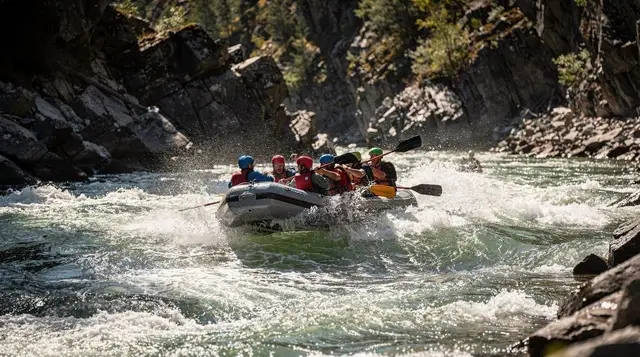
From Tbilisi: Pasanauri River Rafting Adventure Food Wine is a good example of a summer-only activity, dependent on snowmelt-fed river levels that simply do not exist for most of the rest of the year.
Autumn: September and October, the strong alternative
September, in particular, is worth serious consideration for an adventure-focused trip: nearly everything from summer is still running, the worst of the crowds and heat have eased, and weather tends to be more stable than the more changeable spring shoulder season. October is more mixed - early in the month, most activities remain open, but the Abano Pass to Tusheti typically closes by early October, and Svaneti’s rougher tracks and higher hiking trails become progressively less reliable as the month goes on. See Why September and October beat every other month for a fuller case for this window specifically.
From Tbilisi: Tusheti 3 Day Jeep Tour with Accommodation is worth booking early in a September trip specifically because of how firmly this activity’s season ends by comparison with lower-altitude options that stretch further into autumn.
The passes that decide everything
Two mountain crossings act as hard seasonal gatekeepers for entire regions, and understanding their typical windows matters more than almost any other single piece of planning information on this page. The Abano Pass, the only road into Tusheti, runs roughly June to early October. The Goderdzi Pass, giving access to Adjara’s smaller ski resort, runs the reverse pattern common to most Georgian mountain passes - generally closed October to June.
See When the mountain passes open and close for the fuller list of Georgia’s seasonal mountain roads beyond these two headline examples, since several other routes referenced throughout this site’s adventure guides carry similar, if less extreme, seasonal restrictions.
How far in advance conditions are actually predictable
Georgia’s mountain weather is genuinely hard to forecast with confidence more than a few days out, which matters for anyone trying to plan an adventure-heavy trip from overseas months in advance. Seasonal windows - when the Abano Pass typically opens, when ski season typically starts - are reliable enough to plan a trip’s rough shape around, but the specific day-to-day conditions within that window remain genuinely uncertain until close to your travel dates.
This is not a reason to avoid planning ahead entirely, since booking flights, accommodation and popular activities well in advance remains sensible, but it is a reason to build flexibility into a fixed itinerary wherever possible, particularly around any single activity that depends heavily on a specific pass being open or a specific river running at a rideable level.
Booking lead times by activity
Not every activity on this list needs to be booked with the same urgency. Short guided activities near Tbilisi - climbing sessions, ziplines, city bike tours - can generally be booked a day or two ahead, or even on the day, outside the very busiest summer weekends.
Multi-day commitments - Tusheti jeep tours, Svaneti off-road trips, multi-day horse treks - benefit from booking further ahead, both because they involve more logistics to arrange and because popular operators and guesthouses along these routes have genuinely limited capacity during peak months. Skiing at Gudauri and Bakuriani sits in between: lift passes need no advance booking, but accommodation in either resort during the New Year and February peak weeks fills up well ahead of time and is worth securing early if your trip falls in that window.
Combining an adventure trip with the rest of Georgia
Almost nobody visiting Georgia builds a trip around adventure activities alone, and most of what is covered across this site’s adventure guides works well folded into a wider itinerary that also includes Tbilisi’s old town, Kakheti’s wine country, and Georgia’s monasteries and historic sites. The practical upshot of the seasonal patterns above is that a summer trip has room for the widest mix of activities alongside sightseeing, while a winter trip narrows adventure options down to skiing and snow sports specifically, leaving more of the itinerary’s time for the country’s cultural and historic sights instead. Neither approach is wrong - it depends entirely on what balance between adventure and sightseeing you are after for a given trip.
Building a trip around more than one season
Because winter and warm-season activities barely overlap, a single trip genuinely cannot cover both skiing and, say, jeep touring to Tusheti - the two seasons are simply incompatible. Visitors hoping to experience both sides of Georgia’s adventure calendar need two separate trips, ideally six months or more apart, rather than trying to compress both into one visit regardless of timing.
For a single trip, choosing a season and building the itinerary fully around what that season actually offers, rather than hoping to squeeze in an out-of-season activity, produces a far more satisfying result. See The best time to visit Georgia for how this adventure calendar fits within the country’s wider seasonal planning considerations beyond outdoor activities specifically.
Which season suits which kind of traveller
Winter suits travellers whose priority is skiing or snow sports specifically, and who are happy to build the rest of a Georgia trip - Tbilisi sightseeing, museums, wine tasting indoors or at cellar level - around a base at Gudauri or Bakuriani, or day trips out from Tbilisi. Summer suits travellers who want the widest possible range of adventure activities available simultaneously, at the cost of peak crowds and heat in July and August specifically. Late spring and autumn suit travellers who prioritise quieter conditions and comfortable temperatures over having every single activity available - a genuinely reasonable trade-off given how much of Georgia’s adventure calendar is already open by May and still open through most of October.
A rough month-by-month summary
December through February: skiing and snow sports at Gudauri and Bakuriani are the reliable option; almost nothing else on this list runs. March into April: ski season winds down, lower-altitude warm-season activities begin tentatively. May: genuinely mixed - lowland activities are comfortable, but high passes including the Abano Pass remain closed. June through August: everything is open, July and August are the busiest and hottest.
September: arguably the single best all-round month, combining full activity availability with easing crowds. Early October: still mostly open at lower altitude, but the Abano Pass and Svaneti’s rougher tracks are closing or already closed by the month’s end. November: a genuine gap between the end of warm-season activities and the start of reliable skiing, worth avoiding for an adventure-focused trip specifically.
How operators handle bad-weather cancellations
Even within a season that is technically “open,” a specific day’s weather can still ground a paragliding flight, delay a rafting trip, or postpone a Tusheti jeep tour departure until conditions improve. Reputable operators generally reschedule rather than simply cancel outright, and most build this possibility into multi-day itineraries with a buffer day rather than a single fixed slot, though this is worth confirming before booking rather than assuming. Refund policies vary by operator and activity, and paragliding in particular tends to be the most weather-sensitive of everything covered on this site, since a flight genuinely cannot happen in strong wind regardless of how clear the season otherwise looks on the calendar.
Insurance for adventure activities
Standard travel insurance does not automatically cover every activity described across this site’s adventure guides, and paragliding, off-piste skiing, heliskiing and multi-day trekking are the ones most likely to sit outside a basic policy’s default terms. Checking a policy’s specific activity list before booking, rather than assuming general travel cover extends to everything, is worth the ten minutes it takes, particularly for anything involving a helicopter, a mountain guide, or terrain beyond a marked trail.
This matters more in Georgia than in destinations with more developed rescue infrastructure, since the cost of a mountain rescue or medical evacuation from somewhere like Tusheti or Svaneti is not something most travellers want to discover falls outside their cover after the fact.
Regional microclimates that shift these dates
The seasonal windows above describe Georgia broadly, but conditions vary meaningfully by region within the same month. Svaneti’s high passes and village tracks typically hold snow and mud longer into spring than Kakheti’s lower vineyard country, which can be comfortably cycled or ridden by April while Svaneti’s rougher roads remain difficult for another month or more.
Batumi and the Adjara coast run milder and wetter than the interior mountains, which is why its own snow activities, covered in Snowmobiles, heliskiing and ski touring, can be less predictable than Gudauri’s more consistent high-altitude cold. Kazbegi sits somewhere between the two, opening slightly later than Kakheti’s lowland activities but earlier than Svaneti’s most remote tracks. Treating “Georgia” as a single climate when planning an adventure-heavy itinerary is a reliable way to be caught out by a closed road or an unexpectedly cold morning.
Building a two-week trip that spans a seasonal shift
Visitors travelling in late May or early October sit right on a genuine seasonal boundary, and a longer trip through one of these windows can sometimes catch both the tail of one season and the start of another, if the itinerary is built with that specifically in mind. A trip starting in early October, for example, might catch the last open days of the Abano Pass to Tusheti in its first week before shifting toward lower-altitude activities and city time as the month progresses and higher routes begin closing.
This kind of planning rewards flexibility over a fixed day-by-day schedule booked months in advance, since the exact closing dates shift year to year with the weather, and a rigid itinerary risks arriving at a pass or a trailhead a few days after it has shut for the season.
Frequently asked questions about Georgia’s adventure season calendar
Can you do outdoor adventure activities in Georgia year-round?
Not the same ones. Winter activities are largely confined to Gudauri, Bakuriani and a handful of snow-specific options near Batumi, while most other adventure activities - paragliding, rafting, jeep touring, horse riding, climbing, cycling - run on a spring-to-autumn calendar and are unavailable or unsafe in winter.
When does the Abano Pass to Tusheti open?
Roughly June to early October, depending on snowfall, closing completely in winter. This is one of the most tightly seasonal routes in the country, worth confirming close to your travel dates rather than assuming a fixed calendar.
When does the Goderdzi Pass open?
Roughly the same window as most Georgian high mountain passes, generally closed from October to June, which limits access to the small Goderdzi ski resort in Adjara to a fairly narrow winter season.
What is the best month overall for adventure activities in Georgia?
September is a strong all-round choice: summer’s warm-season activities are all still running, crowds have thinned from the August peak, and the weather is often more stable than in spring. It falls just before most high passes and jeep routes start to close for winter.
Is spring a good time for adventure activities in Georgia?
Partially. Lower-altitude activities like Kakheti horse riding and city cycling work well from April, but many mountain passes, including the Abano Pass to Tusheti, remain closed into May or June, and hiking trails at altitude can still hold snow well into late spring.
Do ski season and summer adventure season overlap in Georgia?
Barely, and mostly at Gudauri, which runs skiing through winter and paragliding through summer on the same slopes with only a short handover period between the two, when neither activity is reliably available.
How far in advance should I book adventure activities in Georgia?
Short activities near Tbilisi can generally be booked a day or two ahead. Multi-day commitments such as Tusheti jeep tours or Svaneti off-road trips benefit from booking further ahead, given limited capacity along these routes during peak months.
Is November a good time for an adventure trip to Georgia?
Generally not. It falls in a genuine gap between the end of most warm-season activities and the start of reliable skiing, making it one of the weaker months specifically for an adventure-focused trip, though still workable for sightseeing.
Adventure and outdoor activities on GetYourGuide
Verified deep-linked GetYourGuide tours. Book through these links and we earn a small commission at no cost to you.
Photo: our own image of the location, not the operator’s product photo.