Georgia’s oldest protected wilderness
Lagodekhi National Park was established in 1912, under Russian imperial administration, making it the oldest formally protected natural area in Georgia — older than any of the country’s better-known parks around Borjomi or Kazbegi. It sits in the far northeastern corner of Kakheti, its border running directly along the Caucasus watershed with Dagestan, part of the Russian Federation.
That border proximity shapes the park in a practical way: hiking permits are effectively unrestricted for the main trails, but reaching the high passes near the border ridge itself requires awareness of where the marked trail stops and the closed frontier zone begins, and rangers at the park entrance are the reliable source for exactly where that line sits in any given season.
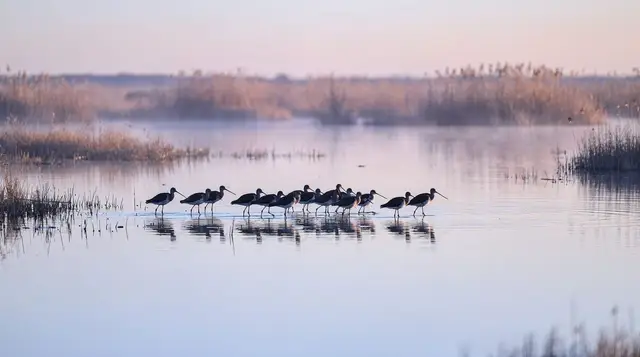
The park’s ecological range is genuinely wide for its size, running from lowland broadleaf forest near the entrance up through subalpine meadow to alpine terrain above the treeline — a vertical range that puts a huge diversity of plant and bird life within a single park boundary. Birdwatchers specifically come for the chance of spotting species that barely register elsewhere in Georgia’s more heavily visited parks, thanks to the relatively low foot traffic here compared with Kazbegi or Svaneti.
The two hikes that define a Lagodekhi visit
Almost every visitor’s Lagodekhi trip comes down to a choice between two trails. The shorter option is the walk to the Gurgeniani waterfall (sometimes called the Ninoskhevi waterfall), a half-day round trip on a well-marked, moderate trail suitable for most fitness levels and manageable without an overnight stay — realistic as a long day trip from Telavi or even Tbilisi for a determined early start.
The longer, more serious option is the trek to Black Rock Lake (Kachu or Black Rock Lake, depending on the map), a genuine two-day hike with an overnight at a mountain hut or campsite along the way, climbing well above the treeline into alpine terrain with views back down toward the Alazani valley on a clear day. The Black Rock Lake guide covers the trek day by day, including where the overnight hut sits and what condition to expect it in.
A day tour that combines Lagodekhi National Park with other Kakheti stops is the practical option for visitors who want the waterfall walk without committing to the overnight trek, and it typically bundles the park with a wine stop elsewhere in the region given how close Lagodekhi sits to Kakheti’s wine towns.
What the trek to Black Rock Lake actually involves
The full trek to Black Rock Lake and back covers a significant distance and elevation gain — this is not a casual walk, and it demands proper hiking boots, layered clothing for a genuine temperature swing between the valley floor and the alpine overnight stop, and enough food and water for two days on trail, since there is no resupply once past the park entrance.
A basic hut exists along the route for overnighting, though conditions are simple rather than comfortable, and travellers who prefer more certainty should carry a tent as backup. Weather at altitude can turn quickly even in high summer, and the hiking season guide and hiking gear and guides guide both cover what preparation this kind of multi-day trek actually requires, including when local guides are worth hiring rather than optional.
Registering at the park’s visitor centre before setting out is standard practice and, in practical terms, close to compulsory — rangers keep track of who is on the longer trails and it materially improves the odds of a fast response if anything goes wrong at altitude. The mountain safety in Georgia piece covers rescue logistics and signal coverage in more remote Georgian terrain generally, relevant here given how thin mobile coverage becomes past the lower trail sections.
Wildlife and what to actually expect to see
Lagodekhi’s reputation among Georgian naturalists rests on its range of habitats rather than any single headline species, though the park is home to brown bear, wolf, lynx, chamois and the East Caucasian tur, a wild goat found only in this mountain range.
Sightings of the larger mammals are genuinely rare for a day visitor — these are shy, low-density populations spread across a large protected area, not a wildlife park with reliable viewing — but the birdlife is a more realistic draw, with the park’s altitude range supporting species from lowland forest birds near the entrance to raptors working the thermals above the treeline. Visitors with a specific interest in birdwatching do better arriving with binoculars and patience rather than expecting a guided spotting experience, since the park’s infrastructure is built around hiking trails rather than wildlife tourism.
Camping, huts and what a Black Rock Lake overnight actually looks like
The overnight stop on the Black Rock Lake route is basic by design — a simple mountain hut offering shelter rather than comfort, with no guaranteed bedding, food service or reliable heating, and camping alongside or instead of using the hut is common practice among hikers who prefer more control over their own gear. Anyone attempting the trek should carry a sleeping bag rated for a genuine mountain night regardless of the season, since temperatures at altitude drop sharply after dark even in July and August. Cooking gear and all food for both days need to be carried in, as there is no resupply point past the park entrance — a meaningful difference from lower-altitude Georgian day hikes where a village or guesthouse is rarely far away.
Wine, on the way in or out
Lagodekhi’s location right at the eastern edge of Kakheti’s wine country means a park visit pairs naturally with a wine stop, and several small, bio-certified wineries operate around the town itself, distinct from the larger commercial cellars clustered nearer Telavi and Sighnaghi.
A bio-certified winery tour with organic wine tasting near Lagodekhi is a reasonable way to combine the two halves of a Kakheti-and-nature day, and a private driver-led day covering both the park’s flora and a wine stop suits travellers who would rather not self-drive the rural roads around the park entrance. The wider Kakheti wine tour planning guide covers how to sequence a Lagodekhi stop against the region’s more established wine towns.
Lagodekhi town itself
The town of Lagodekhi is modest and functional rather than picturesque — a base for reaching the park rather than a destination in its own right, with a handful of guesthouses running 40-70 ₾ a night and simple family-run food options rather than a developed restaurant scene. Most visitors treat it purely as a staging point: arrive, sort out permits and supplies at the park entrance, hike, and either return the same day or overnight before moving on toward Sighnaghi or back to Tbilisi. There is little reason to linger in town itself beyond what the trek or waterfall walk requires.
A realistic plan for each length of trip
For a single day, the sensible structure is an early departure from Tbilisi or Telavi, arrival at the park entrance by mid-morning, the walk to the Gurgeniani waterfall and back, and a wine stop near Lagodekhi town before the drive home — a full but manageable day without an overnight. For the full Black Rock Lake trek, the realistic minimum is two days and one night, ideally with a rest day either side built into the wider trip so the return drive to Tbilisi does not immediately follow a demanding second day of hiking.
Travellers combining Lagodekhi with a longer Kakheti trip should treat it as a distinct, separately planned segment rather than an add-on to a wine-focused itinerary — the gear, timing and physical demands are different enough that trying to fold both into the same rhythm tends to shortchange one or the other.
Where to eat and sleep near the park
Options directly at the park entrance are minimal — a small visitor centre and limited facilities rather than a developed base — so most practical eating and sleeping happens in Lagodekhi town itself, a short drive or taxi ride away. Guesthouse dinners here follow the same pattern as elsewhere in rural Kakheti: a home-cooked spread, often including the host family’s own wine, for a reasonable fixed price rather than an à la carte menu. Travellers attempting the Black Rock Lake trek should stock up on trail food and water in town before heading to the park entrance, since options thin out fast past that point.
Getting to Lagodekhi
Lagodekhi sits at the far eastern edge of Kakheti, roughly 2.5 to 3 hours from Tbilisi by road, making it one of the longer single-day drives within the region — a meaningfully longer trip than reaching Telavi or Sighnaghi.
Marchroutkas run from Tbilisi directly to Lagodekhi town, though the connection onward to the park entrance itself typically requires a short taxi ride or a prearranged pickup, since the entrance sits a few kilometres outside the town centre. Self-driving is straightforward on paved roads the whole way, and a rental car offers the most flexibility for a day trip that combines both the park and a wine stop, covered in the car rental guide.
Combining Lagodekhi with the rest of the region
Lagodekhi’s remote, border-adjacent position makes it a natural pairing with Tusheti for travellers building a wider highland-Kakheti itinerary — both are seasonal, trail-focused destinations at the edges of the region rather than part of the core wine circuit, and both reward hikers specifically over general sightseers. The Tusheti trekking guide covers that comparison directly. For a shorter trip that keeps Lagodekhi to a single day, folding it into a broader Kakheti weekend itinerary alongside Telavi or Sighnaghi is the more realistic structure than treating it as a standalone multi-day base.
How Lagodekhi compares to Georgia’s other hiking regions
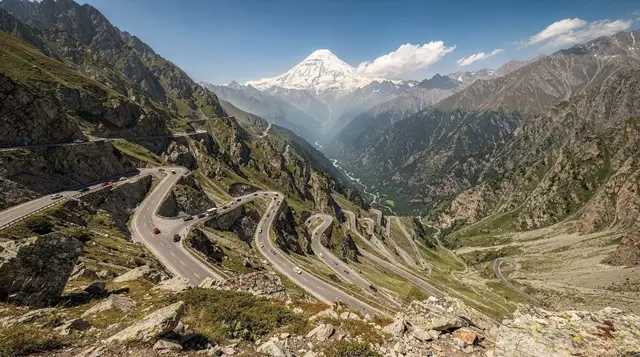
Georgia has no shortage of hiking destinations closer to Tbilisi, and it is worth being direct about where Lagodekhi fits among them. Kazbegi offers the country’s most accessible high-mountain scenery, with the Gergeti Trinity Church hike reachable as a half-day walk and a genuine mountain backdrop visible from the town itself — a far easier day out than anything Lagodekhi offers, but also far busier. Tusheti sits at the opposite extreme: a remote, seasonal region reached by one of the more demanding roads in the country, rewarding serious trekkers with genuine wilderness and traditional villages that Lagodekhi’s day-trip-friendly waterfall walk cannot match.
Lagodekhi lands between the two — more demanding and far quieter than Kazbegi, more accessible by road and less committing than Tusheti, with the specific added appeal of Georgia’s oldest protected forest ecosystem, which neither of the others offers. For a hiker deciding between destinations rather than trying to fit all three into one trip, that middle position is the clearest reason to choose Lagodekhi over its better-known neighbours.
What Lagodekhi is not
It is worth being clear-eyed about what Lagodekhi does not offer: there is no wine-tourism polish here to match Sighnaghi, no dramatic architecture to match Telavi’s surrounding monasteries, and nothing resembling a resort infrastructure. Its entire appeal is the park and its trails — genuinely excellent for hikers willing to put in the effort of the Black Rock Lake trek, comparatively thin for anyone hoping for an easy sightseeing day. Visitors expecting a Kazbegi-style day trip with a dramatic view reachable by car will be disappointed; Lagodekhi’s best rewards require walking to reach them.
Frequently asked questions about visiting Lagodekhi
Do I need a permit to hike in Lagodekhi National Park?
Entry to the park itself is free, but registering at the visitor centre before setting out on the longer trails is standard practice and strongly advised for safety tracking, particularly for the Black Rock Lake trek.
Is the Black Rock Lake trek suitable for an inexperienced hiker?
Not really — it is a genuine two-day, high-altitude trek requiring proper gear, fitness and ideally a guide. The Gurgeniani waterfall walk is the better choice for less experienced or time-limited visitors.
Can Lagodekhi be visited as a day trip from Tbilisi?
Yes, for the waterfall walk specifically, though it makes for a long day given the roughly three-hour drive each way. The Black Rock Lake trek requires an overnight and is not realistic as a Tbilisi day trip.
When is the best time to hike to Black Rock Lake?
June through September, once the high-altitude snow has cleared from the pass sections. Outside that window the upper trail becomes genuinely hazardous rather than simply harder.
Is Lagodekhi close to the border with Russia?
Yes — the park’s boundary runs along the Caucasus ridge with Dagestan, part of the Russian Federation. The marked hiking trails stay within Georgian territory, and park rangers can confirm current restrictions on the highest sections near the frontier.
Is there phone signal on the trails?
Coverage is reliable near the park entrance and thins out significantly on the higher sections toward Black Rock Lake, which is part of why registering with rangers before a multi-day trek matters.
Can Lagodekhi be combined with wine tasting in the same day?
Yes — several small, organic-certified wineries operate close to Lagodekhi town, making it straightforward to pair a shorter hike with a tasting stop either before or after.
Is it worth hiring a guide for the Black Rock Lake trek?
For inexperienced trekkers, yes — the trail is well-marked in good weather but the terrain, altitude and lack of resupply make a local guide a meaningful safety margin rather than a luxury. Experienced hikers with proper gear can reasonably manage it independently in good conditions.
How does Lagodekhi compare to a Tusheti trip for a first-time visitor?
Lagodekhi is the more accessible option — a normal road the whole way, a shorter overall commitment, and trails that don’t require the specialist 4x4 transport Tusheti’s Abano Pass demands. Tusheti offers a deeper, more remote experience but at a real cost in time, logistics and physical demand.