Telavi and the Alazani valley wineries
Is Telavi a good base for wine tasting in Kakheti?
Yes, and for many visitors it is the better base rather than the more polished Sighnaghi across the valley — Telavi is a working regional capital surrounded by a dense cluster of family cellars, particularly around Akhmeta and along the Alazani valley, and sits close to Tsinandali Estate and the Alaverdi and Gremi heritage sites.
The working half of Kakheti’s wine country
Ask a Tbilisi-based tour operator which Kakheti town to base a wine day around, and Sighnaghi comes up by default nearly every time — for good reason, but not the only reason worth hearing before you commit a whole day to one side of the valley over the other.
Most Kakheti itineraries default to Sighnaghi, the region’s more photogenic, tourism-built town. Telavi, on the opposite side of the Alazani valley, gets less attention but sits at the centre of a denser cluster of working family wineries, particularly around the nearby town of Akhmeta, which makes it arguably the better base if the wineries themselves, not the town, are the point of your trip. Neither town is objectively correct as a base — the right choice depends on whether you would rather spend your limited time at working cellars or in a more curated old town setting.
This guide covers Telavi’s wine scene specifically: the family cellars, the bigger estates nearby, what a visit actually feels like day to day, and how a Telavi-based trip compares to basing yourself in Sighnaghi instead, for travellers weighing up which side of the Alazani valley to prioritise when time in Kakheti is limited to a single day or two.
Family cellars around Akhmeta and the Alazani valley
The area around Telavi and neighbouring Akhmeta has one of the highest concentrations of small, family-run qvevri cellars in Kakheti, many still working the land the same family has held for generations. Telavi: Family Winery Tour Wine Tasting and Cooking Class combines a visit to one of these with a cooking class, which suits anyone who wants the full picture of how Georgian wine and food developed together rather than a tasting on its own.
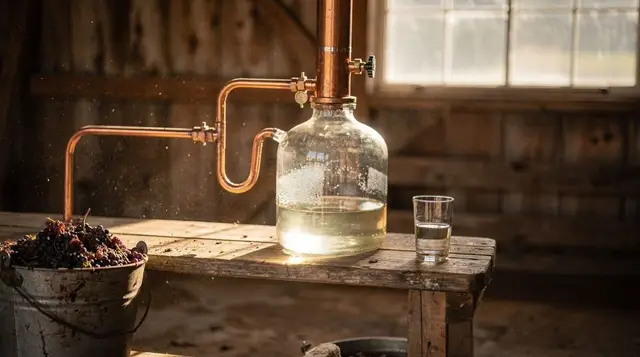
If chacha, Georgia’s grape pomace spirit, interests you alongside the wine — many family cellars distil their own — Telavi: Georgian Wine and Chacha Tasting with Snacks covers both. See Chacha: what it is and how not to overdo it before you go, since it is considerably stronger than the wine and easy to underestimate on an empty stomach.
What a family cellar visit near Telavi actually feels like
Compared to Sighnaghi’s more polished, tour-bus-ready wineries, a family cellar around Akhmeta or the smaller villages toward the Alazani valley tends to feel less rehearsed. Expect to be shown around by the winemaker or a close family member rather than a hired guide, a marani that doubles as a working storage room rather than a designed visitor space, and a conversation that moves at whatever pace the host sets rather than a fixed script.
This is part of the appeal for travellers who have already done one or two more polished tastings elsewhere and want something that feels closer to a genuine visit than a performance built for tourism — but it also means facilities are more basic, English fluency varies more from cellar to cellar, and advance booking through an operator who already has a working relationship with the family is generally more reliable than turning up unannounced. None of this means the experience is unpolished in a way that detracts from it — quite the opposite for many visitors, who come away saying a Telavi-area cellar was the most memorable stop of their whole trip to Georgia, precisely because it felt like a real visit rather than a rehearsed one.
Tsinandali Estate: history alongside wine
For a different kind of visit, Tsinandali Estate, close to Telavi, pairs a 19th-century house and garden tied to the Chavchavadze family — a name that comes up repeatedly in Georgian literary and wine history — with a working winery, closer in spirit to a European château visit than to the rustic family cellars nearby. It is a reasonable way to break up a day of tastings with something less repetitive than another cellar stop, particularly for visitors travelling with someone more interested in history than in wine specifically.
Heritage stops that fit naturally into a wine day
Telavi’s surroundings are not only about wine. Alaverdi Cathedral and the royal citadel of Gremi both sit close enough to fold into a wine-focused day without a significant detour, and give the trip a change of pace between tastings. Tbilisi: Kakheti Wine Tour with Telavi and Gremi, covered in more depth in A wine tour of Kakheti: how to plan it, builds exactly this combination into one itinerary.
Telavi town itself, beyond the wineries
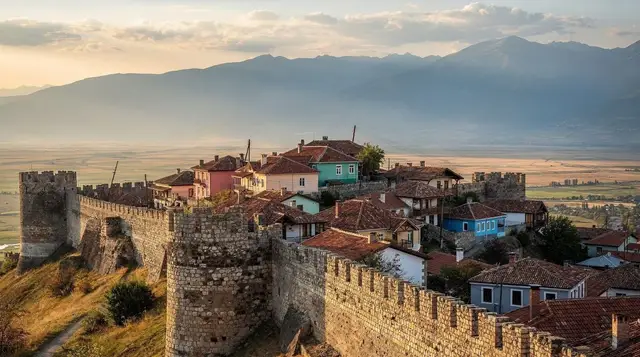
Telavi is worth at least a short walk beyond the wineries around it. The old town centres on Batonis Tsikhe, the fortress of the Kakhetian kings, and the main square holds one of the region’s best-known landmarks — a giant plane tree, said locally to be centuries old, that has become a reference point for the town the way an old oak or cathedral spire might anchor a European market square.
Neither is a major sight in the way Sighnaghi’s old town wall or Bodbe Monastery are, but both are an easy, low-effort addition to a day otherwise spent moving between cellars, and give a sense of Telavi as a real regional capital rather than only a base for reaching the vineyards around it. A slow walk through the old town in the early evening, once the day’s tastings are done, is a reasonable way to close out a day that otherwise revolved entirely around wine.
Joining the harvest
Some family cellars around Telavi let visitors take part in rtveli, the grape harvest, typically across September and into October, rather than simply watching a demonstration. Telavi: Rtveli Harvest Experience with Wine Tasting covers this directly. Rtveli: joining the grape harvest has the fuller explanation of what to expect and how the timing varies year to year.
What Telavi’s cellars actually pour
The Alazani valley around Telavi is Rkatsiteli country as much as it is Saperavi country, and a cellar visit here typically covers both — a dry or amber Rkatsiteli white alongside a qvevri or conventional Saperavi red, often with a couple of house specialities in between, sometimes including a small chacha pour at the end for anyone who wants to try it. Qvevri wine explained and Saperavi: how to read a Georgian red both cover the background worth knowing before a Telavi cellar visit specifically, since hosts here, working close to the source of both traditions, tend to assume a bit more familiarity than a Tbilisi-based tasting would.
A two-day plan combining Telavi and Sighnaghi
Travellers with more than a single day in Kakheti do not have to choose between Telavi and Sighnaghi outright. A workable two-day plan spends the first day around Telavi and Akhmeta, covering two or three family cellars plus Tsinandali Estate, overnighting in or near Telavi, then moves to Sighnaghi on the second day for the old town, Bodbe Monastery and a final tasting or two before heading back to Tbilisi in the evening.
This spreads the driving more sensibly than a single exhausting day trying to cram both towns into one outing, and matches the pace A weekend in Kakheti is built around, with Telavi’s working cellars balanced against Sighnaghi’s more polished sightseeing rather than picking one over the other.
Booking a Telavi cellar visit: tour or private driver
Because Telavi’s best cellars are smaller and more scattered than the more visitor-ready operations around Sighnaghi, a private driver or a tour operator with existing relationships to specific families generally gets you a better visit than trying to arrange one independently on short notice. Group or private wine tour in Kakheti? covers this trade-off across the whole region, but it applies with particular force around Telavi, where some of the best cellars are genuinely difficult to find or book without local contacts.
Telavi or Sighnaghi as a base?
Neither is objectively better, and the honest answer depends on what you are prioritising. Sighnaghi’s restored old town and its proximity to Bodbe Monastery make it the more polished, easier base if sightseeing matters as much as wine. Telavi feels more like a real regional town going about its business, sits closer to the densest cluster of family cellars, and suits travellers who would rather spend their time at wineries than walking cobbled streets. A wine tour of Kakheti: how to plan it covers this trade-off across the whole region, and the two-day itinerary above is built around covering both sides properly rather than rushing either.
What it costs
Family cellar tastings around Telavi tend to sit at the more affordable end of Kakheti’s wine options — many smaller producers pour a first tasting for free and only charge if you buy a bottle, similar to the informal arrangement common across the wider region. Tsinandali Estate, being a larger, more polished operation, charges a set entry and tasting fee closer to what a European estate visit would cost, reflecting the grounds, the house and the level of curation on offer, and is worth budgeting for separately rather than assuming it follows the same informal pricing as a family cellar.
A private driver for a Telavi-focused day costs more than joining a shared group tour out of Tbilisi, but the gap narrows somewhat if you are already staying overnight in the region rather than doing the return drive in a single day. What a week in Georgia actually costs covers how a wine day like this fits into a wider trip budget.
Getting there
Telavi is a little under two hours from Tbilisi by road, similar to the wider Kakheti region, doable as a long day trip but genuinely improved by an overnight stay if both the town and several wineries are on your list. Marshrutkas run to Telavi directly from Tbilisi, but as with the rest of Kakheti, you will need a tour, a hired driver, or a rental car to reach the wineries scattered around it, as covered in the driver-versus-tour comparison above.
Where to stay overnight in Telavi
Because Telavi rewards a slower, overnight visit more than most Kakheti stops, it is worth knowing what staying the night actually looks like. Guesthouses are the dominant option, many run by families with their own small vineyard attached, which means breakfast sometimes comes with a glass of the house wine and a genuine conversation about the harvest rather than a standard hotel buffet.
Prices for a comfortable guesthouse room generally land between 80 and 180 GEL a night for two people, noticeably less than equivalent accommodation in more tourism-built Sighnaghi, and a handful of larger hotels in and around the town centre push toward 200 GEL and above for a more polished, hotel-standard room with amenities a family guesthouse will not offer. Booking a night or two around Telavi rather than doing the whole area as a long day trip from Tbilisi is what actually unlocks the region’s better family cellars, several of which are difficult to visit properly on a same-day return schedule that also has to account for the roughly two-hour drive back.
Telavi’s market and food beyond the cellars
Telavi’s wine scene does not exist in isolation from its food, and the town’s own market and bakeries are worth a stop independent of any winery visit. The central market sells fresh produce, cheese and honey from the surrounding villages, a useful place to pick up something to eat alongside whatever you have tasted that day rather than relying entirely on a cellar’s own snacks. Bakeries around town bake shotis puri, the boat-shaped Georgian bread, in traditional tone ovens, and a loaf bought warm and torn apart by hand is a genuinely good pairing with a glass of local Saperavi, simple as it sounds.
Khinkali houses in the town centre are generally more modestly priced than their Tbilisi equivalents, and a stop for a plate of them between winery visits is a reasonable way to break up a day that would otherwise be entirely liquid. None of this requires planning — it is the kind of stop that fits naturally into gaps in a wine-focused itinerary rather than needing its own slot.
Getting around Telavi once you are there
Telavi town itself is small and walkable, but reaching the family cellars scattered around Akhmeta and the wider Alazani valley is a different matter, and it is worth being realistic about this before arriving without a plan. Ride-hailing apps such as Bolt operate in Telavi but with noticeably fewer available cars than in Tbilisi, and a driver may take considerably longer to arrive, especially outside the town centre or later in the evening — workable for short hops within town, less reliable for reaching a specific winery on a schedule.
A private driver arranged in advance, either for the whole day or as a fixed return trip to a specific cellar, remains the more dependable option once you are outside the town centre itself, and is generally how the better-regarded family cellars expect visitors to arrive in the first place. Walking between cellars is rarely realistic given the distances involved, even though the valley scenery makes it a tempting idea on a clear day.
Buying a case rather than a single bottle
If a Telavi-area cellar impresses you enough to want more than one bottle, buying a small case directly from the producer is generally straightforward and often noticeably cheaper per bottle than buying the same wine later in Tbilisi or after you get home. Most family cellars are used to visitors buying in bulk and can pack bottles securely for transport, though it is worth asking specifically about this rather than assuming it is offered automatically.
Fitting a case into checked luggage takes some planning — wrapping each bottle individually in clothing works reasonably well for two or three bottles, but anyone planning to buy six or more is better off asking the cellar or a local operator whether they can arrange shipping, since airline weight limits and the risk of breakage both increase quickly once you are carrying more than a handful of bottles home by hand. Buying Georgian wine to take home covers the customs and packing side in more detail.
Frequently asked questions about Telavi wineries
Is Telavi or Sighnaghi better for wine tasting?
Telavi sits closer to a denser cluster of family cellars and feels less built for tourism. Sighnaghi is more polished and pairs more easily with heritage sightseeing. Many visitors combine both.
How far is Telavi from Tbilisi?
A little under two hours by road, doable as a long day trip, though an overnight stay allows a less rushed visit.
What is Tsinandali Estate, and how is it different from a family winery?
A 19th-century estate near Telavi tied to the Chavchavadze family, combining a historic house and garden with a working winery — closer to a château visit than a rustic family cellar.
Can you taste chacha as well as wine near Telavi?
Yes — several experiences pair a wine tasting with chacha, since many family cellars distil their own.
Is it worth visiting Alaverdi and Gremi alongside Telavi’s wineries?
Yes, if time allows — both sit close by and add a heritage dimension without a major detour.
Can you join the harvest near Telavi?
Some family cellars let visitors join rtveli, the grape harvest, typically across September and into October.
What does a Telavi cellar typically pour?
Usually a Rkatsiteli white, sometimes amber-style, alongside a Saperavi red, either qvevri-aged or conventional, plus one or two house specialities.
Is it hard to book smaller family cellars around Telavi independently?
Some of the best ones, yes — many rely on relationships with local drivers or tour operators rather than an online booking system, so a private driver or tour with local contacts generally reaches better cellars than an unplanned visit.
Qvevri wine tasting and vineyard tours on GetYourGuide
Verified deep-linked GetYourGuide tours. Book through these links and we earn a small commission at no cost to you.
Photo: our own image of the location, not the operator’s product photo.