Shopping in Tbilisi: markets, malls and design shops
Where is the best place to shop in Tbilisi?
It depends what you are after: the Dry Bridge market for antiques and secondhand crafts, Dezerter Bazaar for food and produce, Old Town workshops for minankari enamel and ceramics, Agmashenebeli Avenue and Fabrika for design shops, and Tbilisi Mall or Galleria for standard retail brands. No single district covers all of it.
A city shaped by trade routes
Tbilisi’s layered shopping scene is not an accident of modern tourism; the city sat for centuries at a genuine crossroads of trade routes connecting the Black Sea, the Caspian, Persia and the wider Ottoman world, and its bazaars historically dealt in silk, spices, metalwork and textiles moving between these regions rather than goods produced purely for local consumption.
That layered trading history is part of why the modern city still supports such different, seemingly unrelated shopping formats side by side — a Soviet-era flea market next to a centuries-old bazaar tradition next to a newer, design-led retail scene grown up in the last decade. None of them cancelled the others out; they simply stacked on top of each other as the city’s economy and politics shifted across each era.
There is no single “shopping district” in Tbilisi
Unlike cities built around one obvious shopping high street, Tbilisi’s shopping scene is split across several genuinely different districts and formats, each suited to a different kind of purchase.
Antiques and secondhand crafts cluster around the Dry Bridge market; working food and produce markets like Dezerter Bazaar sit closer to the station; hands-on craft workshops for minankari enamel and ceramics concentrate in Old Town; design-forward independent shops have grown up along Agmashenebeli Avenue and around Fabrika; and standard retail malls sit further from the centre, reachable mainly by taxi. Knowing which category you actually want saves a lot of aimless walking.
Old Town: crafts, antiques and small workshops
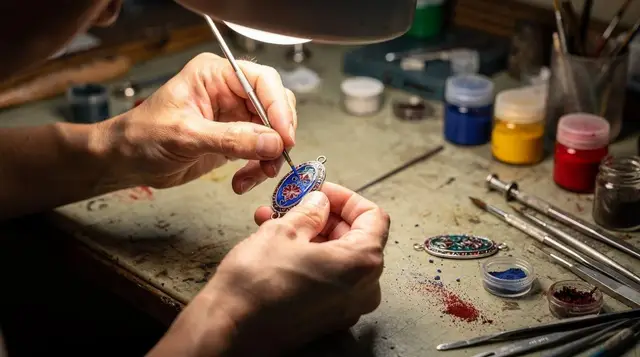
Tbilisi’s Old Town is the densest concentration of shopping worth a visitor’s attention, mixing working craft studios, small independent shops and the edge of the Dry Bridge antique market within a comfortable walking radius. This is where to look for genuine minankari enamel jewellery, hands-on pottery sessions, and the kind of small, specific souvenir — a piece of hand-fired enamel, a locally-thrown ceramic bowl — that says more about Georgia than a printed magnet does. See Minankari: Georgian cloisonné enamel and Pottery and qvevri workshops for the specific studios and what a session costs.
Tbilisi: Enamel Workshop Take Home Jewelry and Tbilisi: 15 Hour Ceramic Workshop Experience both sit within this Old Town cluster, worth combining into a single crafts-focused day rather than treating as separate trips.
Dry Bridge: the flea market everyone ends up at
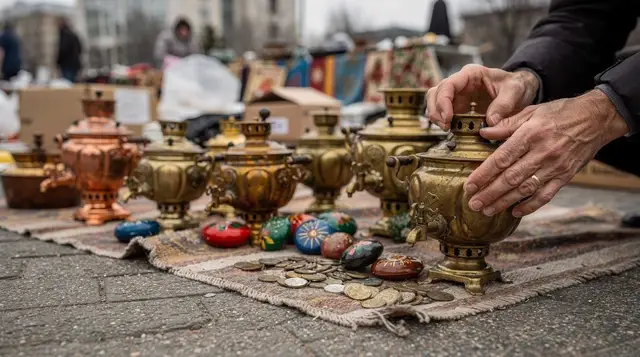
No shopping guide to Tbilisi is complete without the Dry Bridge market, the open-air flea market straddling the Mtkvari near Old Town, mixing genuine Soviet-era antiques with new crafts and a fair amount of stock made to look older than it is. It rewards slow browsing and active bargaining rather than a fixed shopping list, and is as much a way to spend an interesting hour as it is a place to buy something specific.
Vintage and Secondhand Storesmarkets Tbilisi Thrifting covers Dry Bridge alongside Tbilisi’s other secondhand shopping spots with someone who knows which stalls tend to have better stock, useful for a first visit if bargaining solo feels daunting.
Dezerter Bazaar and food shopping
For food rather than crafts or antiques, Dezerter Bazaar near the central train station is Tbilisi’s largest and most genuinely local produce market: spices, cheese, bread, pickled vegetables, fresh fruit and vegetables sold by weight, at prices well below what a tourist- facing shop charges for the same goods. It is a working market rather than a curated visitor experience, which is exactly its appeal — sharp elbows and loud calling out of prices are normal here, not a performance for tourists. Pair it with Spices and pantry goods to bring back for what specifically to look for once you arrive.
Tbilisi: Street Art Dezerter Bazaar Tour W Tastings combines a guided walk through the bazaar with tastings and a look at nearby street art, useful for a first visit if navigating a loud, unfamiliar working market alone feels like more than you want to take on.
Agmashenebeli Avenue and Fabrika: design and independent shops
Ilia Chavchavadze’s pedestrianised stretch of Agmashenebeli Avenue and the courtyard around the Fabrika complex — a former Soviet sewing factory converted into a hub of independent shops, cafés and a hostel — represent Tbilisi’s newer, design-conscious retail scene: small clothing labels, concept stores, independent jewellery designers working in styles distinct from traditional crafts, and record shops. This is the district to browse if contemporary Georgian design interests you as much as traditional craft, and it doubles as one of the more photogenic parts of the city; see Street art, Fabrika and the courtyards of Chugureti for the wider neighbourhood context.
Independent designers here tend to work in small runs rather than mass production, which means stock changes frequently and a shop that had exactly what you wanted last week may not have it again — worth factoring in if you spot something you like on an early day of your trip rather than assuming it will still be there if you come back later.
Malls and standard retail
For international fashion brands, electronics and standard retail, Tbilisi Mall and East Point are the city’s two largest shopping centres, both requiring a taxi or bus ride from the centre, while Galleria Tbilisi sits centrally near Freedom Square and is the easiest to reach on foot from Old Town. None of these compete with a major Western European shopping capital on brand range, and imported goods are not reliably cheaper here than at home — treat malls as a practical option for something specific (a phone charger, replacement clothing) rather than a shopping destination in their own right.
Wine shops: a category worth its own stop
Specialist wine shops, concentrated around Old Town and the Vake district, stock a far more considered range of Georgian producers than a supermarket shelf, often staffed by people who can talk through the difference between qvevri and European-style production and point you toward something genuinely interesting rather than the most heavily marketed label. See Buying Georgian wine to take home for what to actually look for once inside one of these shops, and Souvenirs worth carrying home for how wine compares to Georgia’s other portable souvenirs.
Vintage and secondhand shopping
Beyond Dry Bridge’s antique trade, a distinct secondhand and vintage clothing scene has grown up in Tbilisi, with dedicated shops and informal market stalls selling secondhand European and Soviet-era clothing, sold by weight in some cases and by the piece in others. This sits closer to a thrifting scene familiar from other European cities than to traditional Georgian craft shopping, and prices are correspondingly low by Western European standards.
Vake and Saburtalo: everyday shopping for residents
Away from the tourist-facing districts, the residential neighbourhoods of Vake and Saburtalo hold the kind of shopping that reflects how Tbilisi residents actually live day to day: supermarket chains, pharmacies, local bakeries, and a scattering of independent boutiques with less tourist markup than their Old Town equivalents. Few visitors have a specific reason to shop here, but anyone staying longer term — for a digital-nomad stint or an extended visit — will likely end up doing routine shopping in one of these areas rather than in the more curated districts described above. Vake in particular has developed a genuine café and small-boutique scene worth a browse even without a specific purchase in mind.
A one-day shopping route through central Tbilisi
For visitors with a single day to dedicate partly to shopping, a workable route starts at the Dry Bridge market in the morning, when the antique zone is at its freshest and before the day’s heat sets in. From there, a walk into Old Town covers the enamel and ceramics workshops clustered around the historic core, with a lunch stop for khinkali or khachapuri breaking up the walking.
Afternoon is a reasonable time for Dezerter Bazaar, when the morning rush has thinned but stalls are still fully stocked, before finishing with a wine shop stop to pick up a bottle for the evening or to take home. This whole route covers three or four genuinely different kinds of Tbilisi shopping in a single, walkable day, without needing a taxi between stops.
Seasonal shopping: markets, festivals and sales
Tbilisi’s shopping rhythm shifts noticeably through the year. Tbilisoba, the city’s autumn festival usually held in October, brings additional craft stalls and food vendors into public squares beyond the regular markets, worth timing a visit around if crafts and food are a priority. Around New Year, a seasonal Christmas market adds stalls selling gifts, mulled wine and festive food to the city centre for several weeks. Standard retail sales in the malls broadly follow the same end-of-season pattern familiar from elsewhere in Europe, with the deepest discounts typically in January and July, though this matters far less to most visitors than the craft and market side of the city does.
Tipping and service in shops
Tipping is not expected or customary in retail shops, markets or malls in Georgia — this applies to restaurants and cafés rather than to shopping, where a quoted price is simply the price. Service in independent design shops and craft studios tends to be personal and unhurried, often involving genuine conversation about a piece’s origin or making process rather than a quick transactional exchange, which is part of what makes small workshop purchases feel different from a mall transaction.
Payment and bargaining, by shopping format
Cards are widely accepted in malls, design shops and craft studios, but flea markets and informal stalls — Dry Bridge above all — are essentially cash-only, so carry lari in small notes for any market visit. Bargaining is expected and normal at flea markets and informal stalls, but not in fixed-price shops, craft studios, malls or supermarkets, where quoted prices are final and attempting to negotiate is generally unproductive and slightly out of place.
Getting purchases home
Before buying anything that looks genuinely old — an antique, an icon, a substantial carpet — check Georgia’s cultural property export rules, since some categories require a permit regardless of where in the city you bought them. Wine and spirits should travel in checked luggage, well padded, and ceramics or enamel jewellery deserve careful wrapping given how fragile both are relative to their size. The full detail on export rules and duty-free allowances is in Customs, duty free and what you may take out.
Budgeting a shopping trip
How much a Tbilisi shopping day costs depends entirely on category. A morning at Dry Bridge browsing and buying a couple of small items — a medal, a piece of vinyl, a small painting — realistically costs under 100 GEL total once bargaining is factored in. A hands-on craft session, whether ceramics or enamel, typically runs 60-150 GEL per person depending on studio and duration. A bottle of well-chosen wine from a specialist shop costs anywhere from 20 GEL for an accessible producer to well over 100 GEL for something more serious.
Mall shopping for standard retail items varies by brand exactly as it would at home, with no particular local discount to expect. Putting a full day together — market browsing, one workshop session, lunch, and a bottle of wine to take home — comfortably fits within a modest budget by Western European standards, one of the reasons Tbilisi has become a popular short-break shopping and craft destination in its own right rather than purely a sightseeing stop.
Building a shopping day around the rest of your visit
Most of Tbilisi’s shopping districts sit close enough together to fold into a wider sightseeing day rather than requiring a dedicated shopping trip. Tbilisi in one day: a realistic plan and Tbilisi in three days both have room for a market stop or a craft workshop session without crowding out the city’s major sights, and A self-guided walking route through Tbilisi’s Old Town already passes close to several of the shops and workshops mentioned above.
Opening hours and public holidays
Most independent shops, craft studios and market stalls in Tbilisi open by mid-morning, typically 9-10am, and stay open into the early evening, with markets like Dezerter Bazaar starting earlier to catch the morning trade in fresh produce. Malls keep longer, more standardised hours, generally 10am to 10pm daily including weekends. Public holidays reduce hours or close many independent shops and market stalls entirely, particularly around Orthodox Christmas and Easter, while malls usually stay open on a reduced schedule; if a specific shop or workshop matters to your plans, checking around a major Georgian holiday before travelling is worth the extra step, since informal market vendors in particular give little advance notice of a closure.
Accessibility for shoppers with limited mobility
Old Town’s cobbled streets and Dry Bridge’s uneven riverside paths are both genuinely difficult terrain for anyone using a wheelchair or with limited mobility, and neither has been meaningfully adapted for easier access. Malls, by contrast, are flat, lift-equipped and generally straightforward, making them the more practical option for anyone for whom uneven ground is a real obstacle rather than a minor inconvenience, even if the shopping itself is less distinctive than what Old Town and the markets offer.
Frequently asked questions about shopping in Tbilisi
What are the best souvenir shops in Tbilisi?
Working craft studios in Old Town selling minankari enamel and ceramics directly from the people who make them tend to offer better value and more genuine pieces than souvenir shops along the main tourist streets, which mark up similar or lower-quality items considerably.
Is Tbilisi good for shopping generally?
For crafts, antiques and food, yes, genuinely. For international fashion brands and standard retail, Tbilisi’s malls cover the basics but do not compete with a major Western European shopping capital, and prices on imported goods are not necessarily cheaper than at home.
What days are Tbilisi’s markets open?
Dezerter Bazaar and most produce markets operate daily. The Dry Bridge flea market runs most days but is busiest and largest on weekends. Shopping malls keep standard daily hours, typically 10am to 10pm.
Where can I buy Georgian wine in Tbilisi?
Specialist wine shops around Old Town and Vake stock a far wider and more carefully selected range than supermarkets, often with staff who can talk through qvevri versus European-style production. See Buying Georgian wine to take home for what to look for on a label.
Are there shopping malls in Tbilisi?
Yes, Tbilisi Mall and East Point are the two largest, both a taxi ride from the centre, and Galleria Tbilisi sits centrally near Freedom Square. All three carry a mix of international and local retail brands, cinemas and food courts.
Is bargaining expected everywhere in Tbilisi?
No — bargaining is normal and expected at flea markets and informal stalls like Dry Bridge, but not in fixed-price shops, malls, craft studios or supermarkets, where quoted prices are final.
Shopping and craft tours on GetYourGuide
Verified deep-linked GetYourGuide tours. Book through these links and we earn a small commission at no cost to you.
Photo: our own image of the location, not the operator’s product photo.