Rock climbing near Tbilisi and Chiatura
Where can you go rock climbing near Tbilisi?
Birtvisi canyon, roughly an hour and a half from the capital, is the main guided outdoor climbing destination near Tbilisi, combining limestone cliff routes with a hike through the canyon itself. Instructor-led climbing sessions also run within Tbilisi for beginners who want to try the sport without leaving the city.
A small but genuine climbing scene
Georgia is not yet a headline international rock climbing destination in the way parts of Southern Europe are, but it has a small, genuine scene worth knowing about, anchored by Birtvisi canyon near Tbilisi, a handful of instructor-led sessions within the city itself, and more serious alpine climbing terrain around Mestia for experienced climbers. None of this requires a dedicated climbing trip to Georgia specifically - it works better as an add-on for travellers already exploring the country who want a physical, hands-on day out rather than another sightseeing stop.
From Tbilisi: Birtvisi Rock Climbing and Hiking Day Trip is the standard way most visitors try climbing in Georgia, combining guided routes on Birtvisi’s limestone cliffs with a hike through the canyon’s ruined medieval fortifications.
Birtvisi: history and climbing in one canyon
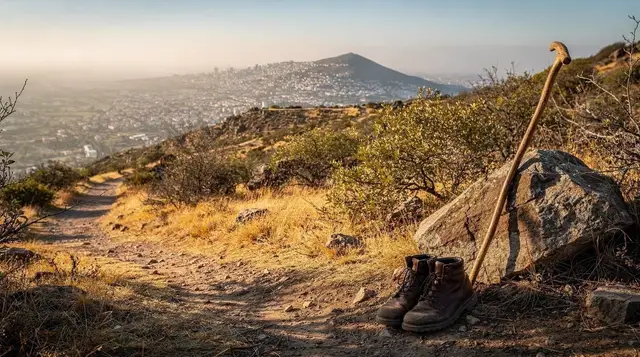
Birtvisi, a narrow limestone gorge roughly an hour and a half south of Tbilisi, earns its place on Georgia’s adventure map for two reasons at once: the canyon itself holds the ruins of a medieval fortress complex built directly into the rock, sometimes described as Georgia’s own stone labyrinth, and its cliffs offer genuine outdoor climbing routes suited to beginners through to more experienced climbers depending on which line an instructor selects. A typical day combines a walk through the canyon’s fortress ruins with a guided climbing session on nearby routes, giving the outing a sense of place that a purpose-built climbing wall cannot match.
Routes at Birtvisi are generally graded for a range of abilities, and instructors adjust the day to the group’s experience level rather than running a single fixed route regardless of who shows up, which makes it a genuinely workable option for a mixed-ability group rather than only committed climbers.
A typical Birtvisi day, start to finish
A standard Birtvisi day departs Tbilisi in the morning, reaching the canyon after roughly ninety minutes on the road, followed by a walk into the gorge itself past sections of the ruined fortress before reaching the climbing area. The climbing portion typically runs a few hours, with an instructor setting up top-rope systems on routes suited to the group and rotating climbers through several lines rather than everyone climbing simultaneously, since safety supervision limits how many people can be actively climbing at once. Lunch is often taken within the canyon itself, and the return to Tbilisi generally arrives back in the city by late afternoon, making the whole outing a comfortable single day rather than requiring an overnight stay.
Grades and terrain, honestly described
Birtvisi’s climbing is not extreme by international standards, and the routes used for guided tourist sessions are deliberately selected toward the easier end of what the canyon offers, suited to genuine beginners building basic technique rather than experienced climbers seeking a serious technical challenge. Climbers with real prior experience looking for harder routes should discuss this directly with the guide in advance, since the standard tourist package is calibrated for first-timers rather than pushing grades. This is a meaningful distinction worth being upfront about before booking, so expectations match what the day actually delivers.
Learning to climb within Tbilisi itself
For visitors who want to try climbing without leaving the city, or as a rainy-day alternative to an outdoor session, instructor-led climbing is available within Tbilisi.
Tbilisi: Climbing Adventure with Instructor covers this option, a lower-commitment way to sample the sport, work on technique with focused instruction, or simply fill a half-day when weather rules out Birtvisi or another outdoor activity.
Chiatura: dramatic terrain, still an emerging spot
Chiatura, better known for its Soviet-era cable cars strung between cliffs and manganese-mining ravines, sits in genuinely dramatic limestone gorge terrain that has started to draw interest from Georgia’s small local climbing community, even though it does not yet have the established, commercially guided climbing infrastructure that Birtvisi has built up.
Most visitors interested in Chiatura’s rock formations currently experience them via the town’s famous cable cars and walking routes rather than technical climbing - see Chiatura’s cable cars: the old ones and the new for what the town itself offers. Climbers with their own equipment and contacts within Georgia’s local climbing community may find informal routes here, but this is not, at present, a destination with the kind of guided, beginner-accessible offering that Birtvisi provides, and travellers without existing local connections should not expect to arrange a guided Chiatura climb on the spot.
Mestia and Svaneti: alpine climbing for experienced climbers
For a genuinely different scale of climbing, the mountains around Mestia offer alpine granite and mixed terrain considerably more serious than anything near Tbilisi, set against some of the most dramatic high-mountain scenery in the Caucasus.
From Tbilisi: 2 Day Rock Climbing Adventure in Mestia is built for climbers with genuine prior experience rather than complete beginners, given the altitude, terrain and multi-day commitment involved. This is a fundamentally different undertaking from a half-day Birtvisi session, closer in spirit to alpine mountaineering than an introductory climbing experience, and worth planning well in advance given the specialist nature of the terrain. See Off-road routes in Svaneti for the wider logistics of getting around this part of the country, relevant to anyone building a longer Svaneti stay around a climbing trip.
What a beginner session actually involves
Guided beginner climbing, whether at Birtvisi or within Tbilisi, typically starts with a safety briefing covering harness fitting, basic hand and foot technique, and how the belay system works, before moving to easier routes and progressing as confidence builds through the session. Instructors manage the technical safety aspects - checking knots, belaying, route selection - so first-timers can focus entirely on the physical challenge of the climb itself rather than the equipment. No prior climbing experience or fitness beyond ordinary good health is expected for an introductory session.
Choosing a guide or operator
Because climbing safety depends entirely on properly maintained equipment and correctly set-up belay systems, choosing an operator with genuine, verifiable certification matters more here than for most other adventure activities on this site. Ask directly about instructor qualifications and how regularly the group’s equipment is inspected and replaced, and treat a vague or evasive answer as a reason to book elsewhere. Reviews that specifically mention how thorough the safety briefing felt, rather than only the scenery or the instructor’s friendliness, are a useful signal worth seeking out before committing to a specific operator.
Combining climbing with nearby adventure activities
Birtvisi sits within reasonable striking distance of Dashbashi Canyon, where a separate zipline and mountain bike combination operates - see Ziplines and rope parks in Georgia for that side of the area’s adventure offering. Travellers with a full day and an appetite for more than one activity sometimes combine a Birtvisi climbing session with a stop at Dashbashi, though this makes for a genuinely long day and is worth planning with enough buffer time rather than rushing both.
Getting to Mestia for an alpine climbing trip
Reaching Mestia itself, whether by road or the short flight routed via Kutaisi, is covered in Getting to Svaneti, worth reading before committing to a multi-day alpine climbing trip given how much the region’s access and accommodation options shape a realistic itinerary. Climbers planning a Mestia trip should build in extra time beyond the climbing itself for the journey, acclimatisation, and the possibility of a weather delay affecting the schedule, all of which are more significant factors here than for a single-day Birtvisi outing near Tbilisi.
Cost and what is included
Guided climbing sessions, whether at Birtvisi or within Tbilisi, typically include equipment - harness, helmet, climbing shoes and ropes - and instruction as standard, so arriving without any climbing gear of your own is entirely normal and expected. Multi-day alpine climbing in Mestia costs considerably more, reflecting the specialist guiding, equipment and the multi-day logistics of operating in high mountain terrain, and is priced closer to a serious mountaineering expedition than a half-day introductory activity.
Weather and the climbing season in more depth
Birtvisi’s cliffs sit exposed enough that rain makes climbing genuinely unsafe and sessions get cancelled or rescheduled rather than run through poor weather, so building a buffer day into a trip that has climbing on a fixed date is sensible, particularly outside the height of summer. Spring and autumn offer comfortable temperatures for the physical effort of climbing without summer’s peak midday heat, which can make a full day on exposed rock considerably more draining than the same route in cooler conditions.
Winter climbing at Birtvisi is not a standard tourist offering, given both the weather and the shorter daylight hours available for a full day trip from Tbilisi. Mestia’s alpine climbing season is shorter still, generally confined to the warmer months when snow and ice have cleared from the routes used, similar to the hiking season covered in When the Georgian hiking season actually opens.
Who should try it, and who should look elsewhere
Rock climbing at the beginner level suits a wide range of ages and fitness levels, since instructors adjust pace and route difficulty to the group, but a genuine fear of heights that goes beyond ordinary nervousness is worth weighing honestly before booking - unlike paragliding, where a pilot does the flying for you, climbing asks you to actively engage with height and exposure yourself, one handhold at a time. Anyone with shoulder, wrist or grip-related injuries should mention this to the instructor before starting, since climbing places real load on hands and upper body even at a beginner grade.
Combining climbing with the rest of a trip
Because both Birtvisi and Tbilisi’s instructor-led sessions run as half or full-day activities, they slot naturally into a wider Georgia itinerary rather than requiring a dedicated climbing trip. See An adventure calendar: what is open when for how outdoor climbing season, generally spring through autumn given how exposed Birtvisi’s cliffs are to winter weather, lines up with the rest of Georgia’s seasonal outdoor activities, and Guides, gear and mountain rescue in Georgia for wider mountain safety practice relevant to anyone combining climbing with hiking or off-road travel elsewhere in the country.
Mount Kazbek: the far end of Georgia’s climbing spectrum
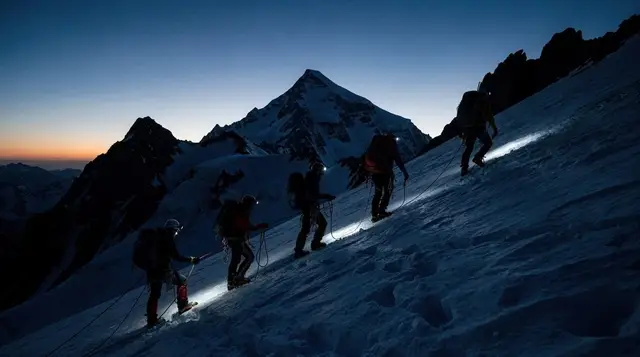
For climbers who find both Birtvisi and even Mestia’s alpine routes too tame, Climbing Mount Kazbek: what it takes covers Georgia’s most serious mountaineering objective, a genuine high-altitude glaciated peak rather than a rock climb in the ordinary sense. From Stepantsminda Mount Kazbek Guided Climb with Meals covers a guided ascent from Stepantsminda, worth knowing about here mainly as context for how far the spectrum of Georgian climbing actually runs, from a half-day beginner session at Birtvisi through to a multi-day glaciated summit attempt requiring genuine mountaineering fitness and experience, not simply strong rock-climbing technique.
Limestone versus granite: what actually differs
Birtvisi’s limestone tends to offer more positive holds and a slightly more forgiving surface for beginners than Mestia’s granite, which rewards more technical footwork and precise balance rather than strength alone. Limestone can also be sharper on the hands over a full day of climbing, worth knowing if you are prone to raw fingertips by the end of a session. Neither rock type is objectively harder or easier across the board — grading depends on the specific route more than the rock type — but climbers moving from a Birtvisi day to a Mestia trip should expect the technique that worked on limestone to need some adjustment on granite, rather than assuming the two climb identically.
Mixed-ability groups at Birtvisi
Because instructors set up multiple routes graded differently within the same session, Birtvisi works better than many outdoor climbing destinations for a group with genuinely mixed experience — one person trying the sport for the first time and another with some prior climbing background can climb the same day without either being held back, provided the group tells the instructor about this spread in ability before the day starts rather than discovering it on the rock. Groups with children should check an operator’s minimum age directly, since this varies between operators and is not always listed clearly in advance.
Group size and what to expect on a shared tour
Most Birtvisi day trips run as small shared groups rather than one-on-one instruction, typically a handful of climbers per instructor, which keeps the price down but also means waiting your turn on popular routes rather than climbing continuously through the day.
Private bookings, arranged directly with an operator rather than joining a scheduled shared departure, cost more but give a group more climbing time on the rock and let the instructor tailor route difficulty more closely to that specific group rather than the middle of a mixed crowd. Solo travellers joining a shared tour should expect to climb alongside strangers for the day, which most people find adds to rather than detracts from the experience, since a shared instructor and shared belay queue naturally creates conversation between climbs.
Frequently asked questions about rock climbing in Georgia
Do you need experience to go rock climbing in Georgia?
No, guided sessions in and around Tbilisi, including at Birtvisi, are designed for beginners, with an instructor handling ropes, safety checks and route selection. Georgia does not require prior climbing experience for these introductory options.
What is Birtvisi canyon known for?
A narrow limestone gorge south of Tbilisi with ruined medieval fortifications built into the rock, now also used for guided rock climbing and hiking, combining a genuine historical site with an adventure activity in one outing.
Is there indoor climbing in Tbilisi?
Yes, Tbilisi has climbing gyms offering an accessible way to try the sport or train regardless of weather, though most tourist-facing guided experiences focus on outdoor routes at Birtvisi rather than indoor sessions.
Is Mestia a good place for rock climbing?
Yes, for more experienced climbers - multi-day climbing trips in the Mestia area access genuine alpine granite and mixed terrain in a dramatic high-mountain setting, a different proposition entirely from a half-day beginner session near Tbilisi.
Is rock climbing in Georgia safe for beginners?
With a certified, reputable guide and properly maintained equipment, yes - beginner sessions are designed with safety as the priority, and instructors manage the technical aspects so first-timers can focus on the climbing itself.
What should I wear for rock climbing in Georgia?
Comfortable, close-fitting clothing that allows a full range of movement, and trainers or climbing shoes if you have them, though most beginner sessions provide climbing shoes as part of the equipment. Avoid loose jewellery and bring a light jacket for waiting between climbs.
How much does rock climbing cost in Georgia?
Guided sessions at Birtvisi or within Tbilisi, including equipment and instruction, sit in a moderate adventure-activity price bracket. Multi-day alpine climbing in Mestia costs considerably more, reflecting specialist guiding and high-mountain logistics.
When is the best season for rock climbing in Georgia?
Spring and autumn suit Birtvisi’s exposed cliffs best, avoiding both winter’s unsuitable conditions and summer’s peak midday heat. Mestia’s alpine climbing season is shorter, generally confined to the warmer months once snow and ice have cleared from the routes.
Mountain hikes on GetYourGuide
Verified deep-linked GetYourGuide tours. Book through these links and we earn a small commission at no cost to you.
Photo: our own image of the location, not the operator’s product photo.