Batumi with children
Is Batumi good for a family holiday with children?
Yes, mainly for the flat, stroller-friendly seafront boulevard, the Argo cable car and mild coastal weather, though the beaches are pebble rather than sand and the five to six hour drive from Tbilisi is long for young children. It works best as an add-on to a Tbilisi-based trip rather than the sole destination.
A different pace from Tbilisi, with its own trade-offs
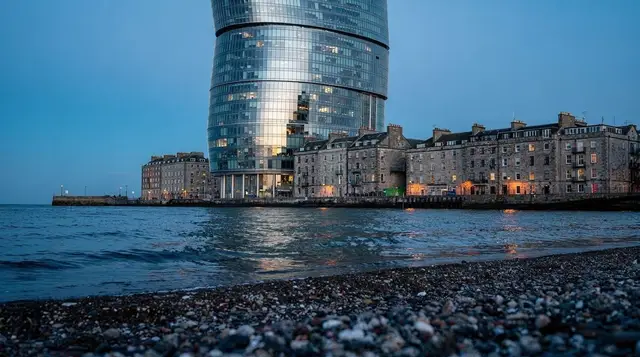
Batumi is Georgia’s main Black Sea resort, and the shift in pace from Tbilisi’s hills and cobbles is real: this is a flatter, more seafront-oriented city built around a long promenade rather than a hillside old town, which suits a family looking for an easier few days after the steeper sightseeing further inland.
The trade-offs are equally real and worth stating plainly rather than glossing over: the beaches are pebble, not the soft sand many visitors picture on a Black Sea holiday, the drive from Tbilisi is genuinely long for a young child, and the city’s dedicated children’s attractions are thinner on the ground than the boulevard’s polish might suggest. None of that makes Batumi a poor choice, only a different kind of stop from Tbilisi: fewer must-see monuments, more time spent simply walking, eating and sitting by the water, which some families find is exactly the reset a long inland itinerary needs by the time they reach the coast.
Getting to Batumi with children: drive, fly, or split it
The overland drive from Tbilisi runs five to six hours, which is a lot to ask of most children under about seven without several stops. The one-hour domestic flight is the more comfortable option if the budget stretches to it, and Kutaisi’s airport, roughly three and a half hours from Batumi by road, is worth checking as an alternative arrival point since flight schedules sometimes work out better through it than through Batumi’s own airport; see Batumi airport and the Turkish alternative for the specifics on both options. A reasonable compromise many families use is flying one way and driving the other, which halves the total time spent in the car while still giving a look at the countryside.
The boulevard: the single easiest stretch of pavement on this coast
Batumi Boulevard runs flat and fully paved for several kilometres along the seafront, wide enough for strollers, bikes and pedestrians to share comfortably, which makes it by a clear margin the easiest walking stretch anywhere on this coast, Tbilisi included. Bike and scooter rental stands line the route, a reasonable option for older children who can handle a wheeled rental safely alongside pedestrian traffic. Benches, shade in patches from planted trees, and a scattering of cafés mean a full boulevard walk does not need to be a single unbroken push from one end to the other.
Batumi: City Highlights Batumi Boulevard Walking Tour is a guided way to cover the boulevard’s landmarks — the Ali and Nino moving sculpture, the singing fountains, the various public artworks — with commentary, useful if you would otherwise walk past details a guide would point out. Full detail on the route itself is in Batumi Boulevard end to end.
The Argo cable car
The Argo cable car climbs from the seafront up Anuria Hill to a viewpoint over the whole bay and city, and the ride itself, not just the view at the top, is generally the part children remember most. It operates year-round in normal conditions but can pause in strong wind, worth checking before building a day specifically around it. The upper station has a café and open viewing area where children have some room to move around rather than being confined to a small platform.
Batumi: Argo Cable Car Ride with Panoramic Views books the ride directly, useful in peak season when queues at the base station can otherwise eat into an afternoon.
Mini Georgia and the dendrological park
A little outside the city centre, the dendrological park development includes Mini Georgia, a collection of scaled-down replicas of the country’s best-known landmarks — Gergeti Trinity Church, the Narikala cable car, Vardzia’s cave city — laid out across landscaped grounds, alongside a musical fountain and open lawns. It works well as a lower-effort way for children to get a sense of sights they may not otherwise reach on a short coastal trip, and the open space itself is a genuine draw regardless of the miniatures.
Batumi: Dendrological Park Mini Georgia Musician Park covers entry and a guided introduction to the grounds. Nearby, the wider botanical garden and Petra Fortress combination is also worth considering for families who want more open, walkable green space to add to the same half-day out.
Beaches: pebbles, gentle shelving, and what to actually pack
Batumi’s central beaches are pebble rather than sand, and the difference matters underfoot more than most visitors expect from photos alone — water shoes make a real difference to how comfortable young children are walking down to the water. The upside is that the water generally shelves gently close to shore in the central stretches, which is reassuring when supervising a child who is not yet a confident swimmer.
Shade is scarce along most of the beach itself, so bringing or renting an umbrella matters more here than at a beach with natural tree cover. Full detail on conditions, crowding and the calendar for swimmable water temperatures is in Batumi’s beaches: pebbles, not sand and When the Black Sea is warm enough to swim.
The Dolphinarium: an honest take
Batumi’s dolphinarium, on the boulevard, is often listed as a default family activity, and we are deliberately not pushing it as one. Captive dolphin shows of this kind draw real, well-documented animal-welfare criticism, including from marine biologists who question the adequacy of small pools for a species that would otherwise range across open ocean, and a growing number of families choose to skip this type of attraction on principle.
If you decide to go, that is a personal call worth making with the debate in mind rather than as an unconsidered default; see Zoo, aquarium and dolphinarium for a fuller discussion of the options and the arguments on each side, including the smaller aquarium nearby, which does not carry the same performance-based criticism.
Practical beach logistics: sunbeds, jellyfish and lifeguards
Most of the central beach is divided into paid lido sections, where a sunbed and umbrella typically cost a modest daily fee, and free public strips at the edges where you bring your own setup — worth knowing before assuming everything requires payment. Lifeguards are present on the busier central stretches through the main summer season but thin out considerably outside July and August, so treat any shoulder-season swim with more caution than the presence of a flag system might suggest.
Jellyfish appear intermittently through the summer, generally more of a mild sting than a serious hazard, but worth asking locally on the day rather than assuming the sea is always clear. None of this is a reason to avoid the beach with children, just detail worth having before arriving with expectations set by a glossy holiday brochure rather than the coast’s actual working conditions.
Rides, fountains and the boulevard’s smaller attractions
Toward the boulevard’s northern end, a small cluster of fairground-style rides and a Ferris wheel operate seasonally, generally busiest and most fully open through the summer months and scaled back outside peak season. The singing fountains, timed to music and lit after dark, are free to watch and reliably popular with children regardless of age, and cost nothing to enjoy from the surrounding benches at whatever length of time suits your group.
Batumi: City Tour with Cable Car Digital Museum adds an indoor digital museum stop to a cable car ride, a useful option if the weather turns and you want something covered rather than cancelling the day’s plans outright.
Packing for the coast with a family
The Black Sea’s coastal climate is noticeably more humid than Tbilisi’s, particularly in summer, and mosquitoes are more of a presence in the evenings than inland, so repellent suited to children is worth packing rather than assuming it will be easy to find locally in the right formulation. A rash guard or light long-sleeved swimwear cuts down on both sun exposure and pebble irritation for younger children who spend a lot of time sitting at the waterline. Evenings on the boulevard can turn breezy even after a hot day, so a light layer for after-dark walks is worth having in the bag rather than left at the hotel.
Food with children in Batumi
Batumi’s own take on khachapuri, the boat-shaped Adjaruli version topped with a raw egg and butter stirred in at the table, looks more adventurous than it eats — most children are happy with the bread-and-cheese base and can leave the egg for an adult to finish. The wider spread of what to order and what tends to work for younger palates is in Adjarian food in Batumi, beyond the boat-shaped khachapuri, and the general principles in Feeding fussy eaters in Georgia apply here just as much as inland.
Day trips from Batumi: mostly too far for young children
Batumi is a popular base for day trips into Adjara’s mountains and waterfalls, but most of these routes involve winding, unpaved roads that are a harder sell with young children than the coast itself. Mtirala National Park, with its accessible waterfall walk at Makhuntseti, is one of the gentler options and works reasonably well as a half-day out with children old enough for a short forest walk; see Mtirala National Park and the Makhuntseti waterfall for the specifics.
Boat trips along the coast, including dolphin-watching excursions that observe animals in open water rather than a pool, are a more comfortable alternative to the dolphinarium for families who want a marine-life experience without the welfare concerns of a captive show; see Boat trips and dolphin watching from Batumi. For the fuller set of options and which ones genuinely suit a family pace rather than an adventure-tourism crowd, see Day trips from Batumi.
Kobuleti, a short drive up the coast, is a quieter, less developed alternative to Batumi itself with a longer stretch of beach and noticeably fewer crowds, worth considering as a day trip or even a base if a slower pace matters more to your family than Batumi’s boulevard polish; see Kobuleti: the quieter coast and Kobuleti for more detail.
Where to stay, and how long is actually worth it
Hotels directly on or just off the boulevard put you within walking distance of the cable car, the beach and the evening fountains, which matters more with children than a marginally cheaper option further from the seafront that then requires a taxi for everything. Georgia’s accommodation options range from simple guesthouses to full resort hotels, and Batumi in particular has a reasonable supply of family-sized apartments with kitchens, useful for a coastal stay where self-catering some meals is often easier than eating out for every one; see Guesthouses, hostels and hotels: what you get for the general categories used across the country.
Rainy or windy days on the coast
The Black Sea coast gets its share of wind and rain, particularly outside the peak summer months, and a plan B matters here as much as in Tbilisi. The digital museum stop mentioned above, indoor shopping around the boulevard’s edges, and a longer sit-down meal are the practical fallbacks; there is no equivalent here to Tbilisi’s sulphur baths as a dedicated rainy-day institution, so expect a more improvised backup plan on the coast than inland.
Weather and the shoulder seasons
Batumi’s peak season, July and August, brings the warmest sea and the fullest boulevard, along with the highest prices and busiest beaches. June and September offer a genuine compromise: sea temperatures still comfortable enough for most children, noticeably thinner crowds, and lower rates on accommodation, generally a better trade for a family than fighting for beach space in the height of summer. Winter along the coast is mild by Georgian standards but wet, and most of the specifically child-oriented outdoor attractions, from the rides to some of the boat trips, scale back or close outside the main season, so a winter visit is realistically a boulevard-and-cable-car trip rather than a beach one.
How long to stay, and what to pair it with
Two to three days is enough to cover the boulevard, the cable car, a beach day and some slack for weather without feeling like a rushed stopover, and going much longer starts to expose how compact Batumi’s dedicated family attractions actually are next to a purpose-built beach resort elsewhere. Most families treat it as the coastal half of a longer Georgia trip rather than a stand-alone destination; see Georgia with children for how to fit a Batumi stop into a wider itinerary, and Tbilisi with children for the inland counterpart most trips pair it with.
Frequently asked questions about Batumi with children
Are Batumi’s beaches good for young children?
They are pebble beaches, not sand, which some children adjust to quickly and others find uncomfortable underfoot, so water shoes are worth packing. The water shelves gently in most central spots, which is reassuring for supervising younger children, but there is little natural shade, so bring your own umbrella or rent one.
How do we get from Tbilisi to Batumi with children?
The drive is five to six hours, long for a young child, while the domestic flight is about an hour and generally the more comfortable option if the budget allows. A one-way flight paired with a return drive, or vice versa, is a reasonable compromise if you want to see the countryside without doing the full drive twice.
Should we visit the Batumi Dolphinarium with children?
That depends on how your family feels about captive dolphin shows, which draw genuine animal-welfare criticism internationally, including from marine biologists who question the value of the small pools used. We would not push it as a must-do and suggest reading a little about the debate before deciding, rather than assuming it is an uncomplicated family activity.
What is the Argo cable car and is it good with children?
The Argo cable car climbs from the seafront up Anuria Hill to a viewpoint over the whole bay, and most children enjoy the ride itself regardless of their interest in the view. It runs year-round in normal weather but can pause in high wind, so check conditions on a blustery day before planning around it.
Is Batumi’s boulevard stroller-friendly?
Yes, more so than almost anywhere in Tbilisi: the boulevard runs flat and paved for several kilometres along the seafront, with cycle paths, benches and enough width to comfortably pass other prams and cyclists. It is the single easiest stretch of pavement for a family with a stroller anywhere on this coast.
What is Batumi’s Mini Georgia and is it worth visiting with kids?
Mini Georgia, part of the dendrological park development, is a park of scaled-down replicas of the country’s best-known landmarks, which works well as a low-effort way for children to see miniature versions of sights like Gergeti Trinity Church or the Narikala cable car without the actual travel involved.
How many days should we spend in Batumi with a family?
Two to three days covers the boulevard, the cable car, a beach day and a bit of slack for weather, without feeling rushed. Longer than that tends to expose how compact Batumi’s family-specific attractions actually are compared with a beach resort built purely around children.
Black Sea coast trips on GetYourGuide
Verified deep-linked GetYourGuide tours. Book through these links and we earn a small commission at no cost to you.
Photo: our own image of the location, not the operator’s product photo.