Surviving a supra: the morning after
Nobody warns you properly about the toasts
The thing about a Georgian supra that no amount of reading prepares you for isn’t the food, which is generous but manageable in the way any long dinner is. It’s the wine, and specifically the toasts — because a supra run by a proper tamada doesn’t let you sip at your own pace. Each toast, and there can be fifteen or twenty of them over an evening, is drunk in full, and declining is treated less as a preference and more as a small social failure that the tamada will gently but firmly correct.
The supra and the tamada explained covers how the ritual actually works, but the practical upshot for the following morning is simple: you will likely have drunk more qvevri wine, and drunk it faster, than any dinner outside Georgia would have involved. This is what actually helps once that morning arrives.
What to eat first, and what to leave until later
Khachapuri is the correct first food of the morning, and specifically Imeruli khachapuri — the simple cheese-filled round bread found everywhere, at 8-12 ₾ from most bakeries and cafés — rather than the richer Adjaruli boat with its egg and extra butter, which is a wonderful dish but too much of one for a stomach that spent last night processing house wine by the carafe. Bread and salty cheese in combination does more for a hangover than anything marketed as a cure, largely because it’s simple fat, salt and carbohydrate rather than anything clever.
The full regional variations, useful for choosing the gentlest option at whichever bakery is nearest, are in Every kind of khachapuri, region by region. Khinkali, tempting as a repeat performance, is better left until lunch — the broth inside is rich enough to test a delicate stomach, and eating it properly, by the handle rather than with a knife and fork, needs more coordination than a rough morning tends to offer. See Khinkali: how to order and how to eat them for when you’re ready.
Coffee, and why it’s not always the first move
The instinct to reach straight for a strong Turkish-style coffee is understandable but not always the right first step after a wine-heavy night — coffee on an empty, dehydrated stomach can turn a manageable headache into a genuinely bad one. A better order is water first, in real quantity, then food, then coffee once something is actually in the stomach to buffer it.
Georgian coffee culture has become genuinely good in Tbilisi over the past few years, which is its own reward once the order is right; the city’s better cafés, several of which double as a calm place to sit out a slow morning, are covered separately in a piece on where to actually get work done, but for a hangover morning the point is simpler: sit somewhere quiet, drink water before coffee, and don’t rush it.
The sulphur baths: the closest thing to an actual cure
If one thing genuinely earns the label of hangover cure in Tbilisi, it’s a visit to the sulphur baths in Abanotubani. The heat and the sulphurous water don’t have any special medicinal claim worth taking literally, but the combination of prolonged heat, stillness and a forced slowdown does more for a rough morning than most alternatives on offer.
Tbilisi: Sulfur Bath with Wine and Kisa Scrub includes a private room and a kisa scrub, which sounds like an odd choice for a delicate morning — being vigorously exfoliated by a bath attendant — but in practice is more invigorating than punishing, and tends to leave people feeling considerably more human by the time they walk back out into Abanotubani’s lanes. A basic private room without the extras is the gentler option if a full scrub sounds like too much; the full pricing structure and what each tier includes is in Tbilisi’s sulphur baths: prices, private rooms and what to expect. For the history behind the district rather than just a soak, Tbilisi: History of Sulphur Baths Walking Tour is a gentler-paced option that still gets you moving without much exertion.
If the baths are busy, or you’d rather skip the scrub
Abanotubani has more than one bathhouse, and on a Saturday morning after a big night out, the most photographed domes fill quickly with other people having exactly the same idea. Which Tbilisi bathhouse to choose sets out the alternatives, including quieter options a few streets over that rarely need a booking. For anyone curious about what the kisa scrub actually involves before committing to it on a delicate morning, The kisa scrub: what a Georgian bath attendant actually does explains the process in enough detail to decide whether it sounds restorative or like too much for the day.
A gentler alternative: street food and a slow walk
Not everyone wants a bathhouse first thing, and a slower option works nearly as well: a walk through Tbilisi toward Dezerter Bazaar, stopping for whatever bakery window looks freshest rather than sitting down anywhere formal. Tbilisi street food and bakery windows and Dezerter Bazaar: how to shop it both cover exactly this kind of low-effort, low-commitment morning — fresh bread, fruit, maybe a single cheese-filled pastry, eaten standing up rather than as a full sit-down meal.
It’s a reasonable middle ground between doing nothing and committing to a proper breakfast, and the market’s slower pace before midday suits a rough morning better than a crowded restaurant does. For what a normal, non-recovery Georgian breakfast actually looks like once appetite is back to full strength, see What breakfast looks like in Georgia.
What not to do
Chacha, the grape pomace spirit that inevitably appears at the end of a proper supra as a final round of toasts, is not a hair-of-the-dog solution the next morning, however tempting the small glass looks sitting on the counter of a bar you’re walking past. Chacha: what it is and how not to overdo it explains why it’s stronger than it tastes, and the same logic applies twice as hard the morning after.
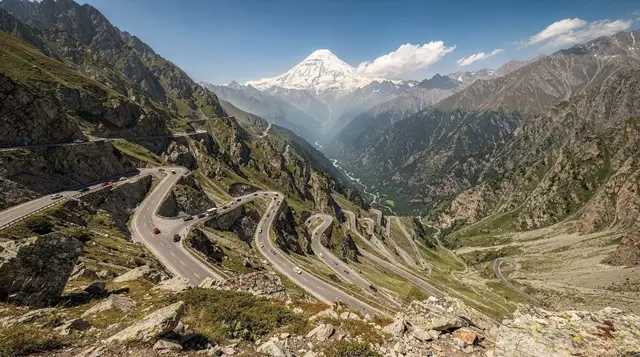
Equally, don’t plan a long day trip requiring an early minibus and a full day of walking — Kazbegi or a Kakheti wine day are both genuinely enjoyable, but neither forgives a slow, hungover start, and both are better attempted a day later once the worst has passed. A short walk through the old town, at whatever pace feels manageable, does more good than forcing a packed itinerary.
Restaurant etiquette the morning after, if you’re eating out
Ordering a plain, mild meal the day after a supra is entirely normal in Georgia and won’t draw any comment from restaurant staff, who have presumably seen the same thing from a table of locals the previous week. Tipping and service charge norms don’t change based on how rough you’re feeling, and it’s worth knowing the baseline before ordering: most Tbilisi restaurants now add a service charge automatically, and a further cash tip is appreciated but not obligatory on top of it, as explained in Restaurant etiquette, service charges and tipping.
For a gentler food experience than a full sit-down restaurant, Tbilisi: Khinkali and Khachapuri Cooking Class the following day, once appetite has properly returned, is a good way to actually understand what you ate the night before rather than just recovering from it.
Understanding the toasts, so it goes better next time
A large part of ending up in this position at all comes down to not knowing how a supra’s toast order works, and specifically not knowing that the early toasts — to peace, to parents, to the country — are meant to be taken more seriously and drunk more fully than the later, lighter ones. A tamada who senses a guest is struggling will often let later toasts be symbolic sips rather than full glasses, but that shift usually only happens once the early, formal toasts are out of the way, which is exactly the stretch of the evening that catches most first-timers off guard.
Pacing yourself against the tamada rather than against your own glass is the single most useful thing to understand going in, and it’s the difference between a supra that ends in genuine warmth and one that ends the way the one described here clearly did. The order of toasts at a supra sets out roughly what to expect and where there’s genuine room to pace yourself without causing offence. Learning a handful of the actual vocabulary used at the table — the words for toast, cheers and the tamada’s role — also helps you follow what’s happening rather than just drinking on cue, and is covered in A supra vocabulary: twenty words that help.
Pacing the rest of the trip around it
If a supra is booked for one night of a longer stay, it’s worth building the following day into the itinerary deliberately rather than treating it as a normal travel day that happens to follow a big dinner. Leaving the following morning genuinely free — no early check-out, no packed bag waiting by the door, no booked activity before midday — removes most of the pressure that makes a slow start feel like wasted time rather than a reasonable choice.
Travellers moving straight from a supra into a multi-day itinerary elsewhere in the country are usually the ones who regret the timing most; a single free morning in Tbilisi costs very little against a week-long trip and makes the whole experience easier to look back on fondly rather than as something to recover from.
Frequently asked questions about recovering from a Georgian supra
What’s the best food to eat the morning after a supra?
Plain Imeruli khachapuri and bread, eaten before coffee rather than after. Save khinkali, which is richer, for later in the day once appetite has properly returned.
Do the Tbilisi sulphur baths actually help with a hangover?
There’s no special medicinal claim to take literally, but the heat, stillness and forced slowdown of a bath visit genuinely help most people feel more human than staying in bed does.
Is it rude to decline a toast at a Georgian supra?
Declining outright is unusual and can be read as a small social misstep, though a good tamada will usually notice if a guest is struggling and ease off. Sipping rather than draining a toast is more acceptable than skipping it entirely.
Should I drink coffee first thing after a heavy night of wine?
Water and food first is the better order. Coffee on an empty, dehydrated stomach can make a headache worse before it makes it better.
Is chacha a good hangover cure?
No — it’s a strong spirit, generally 40-65% alcohol, and drinking more of it the next morning tends to prolong the problem rather than solve it.
How long should I wait before another big meal or day trip after a supra?
A day is usually enough. A short, low-effort morning followed by a normal afternoon works better than either resting all day or launching straight into an early-start day trip.
Best day trips from Tbilisi on GetYourGuide
Verified deep-linked GetYourGuide tours. Book through these links and we earn a small commission at no cost to you.
Photo: our own image of the location, not the operator’s product photo.